What's in my Camera Bag
Wildlife Photography Is Not About Owning the Most Expensive Camera
Let me begin with the most important thing I have learnt about wildlife photography:
The camera does not take the photograph. You do.
A better camera may focus faster.
A longer lens may bring a distant leopard closer.
A faster lens may help when the light disappears.
But none of those things can replace patience, fieldcraft, observation, anticipation and learning how to really look at an animal.
Some of my favourite photographs have come from extraordinary sightings. Others have come from completely ordinary moments that became extraordinary because of the light, the behaviour or the way I chose to frame them.
Wildlife photography is not about collecting photographs of animals.
It is about telling stories.
The dust hanging behind a herd of elephants.
The tiny cub disappearing beneath its mother's belly.
The tension in a leopard's body before it moves.
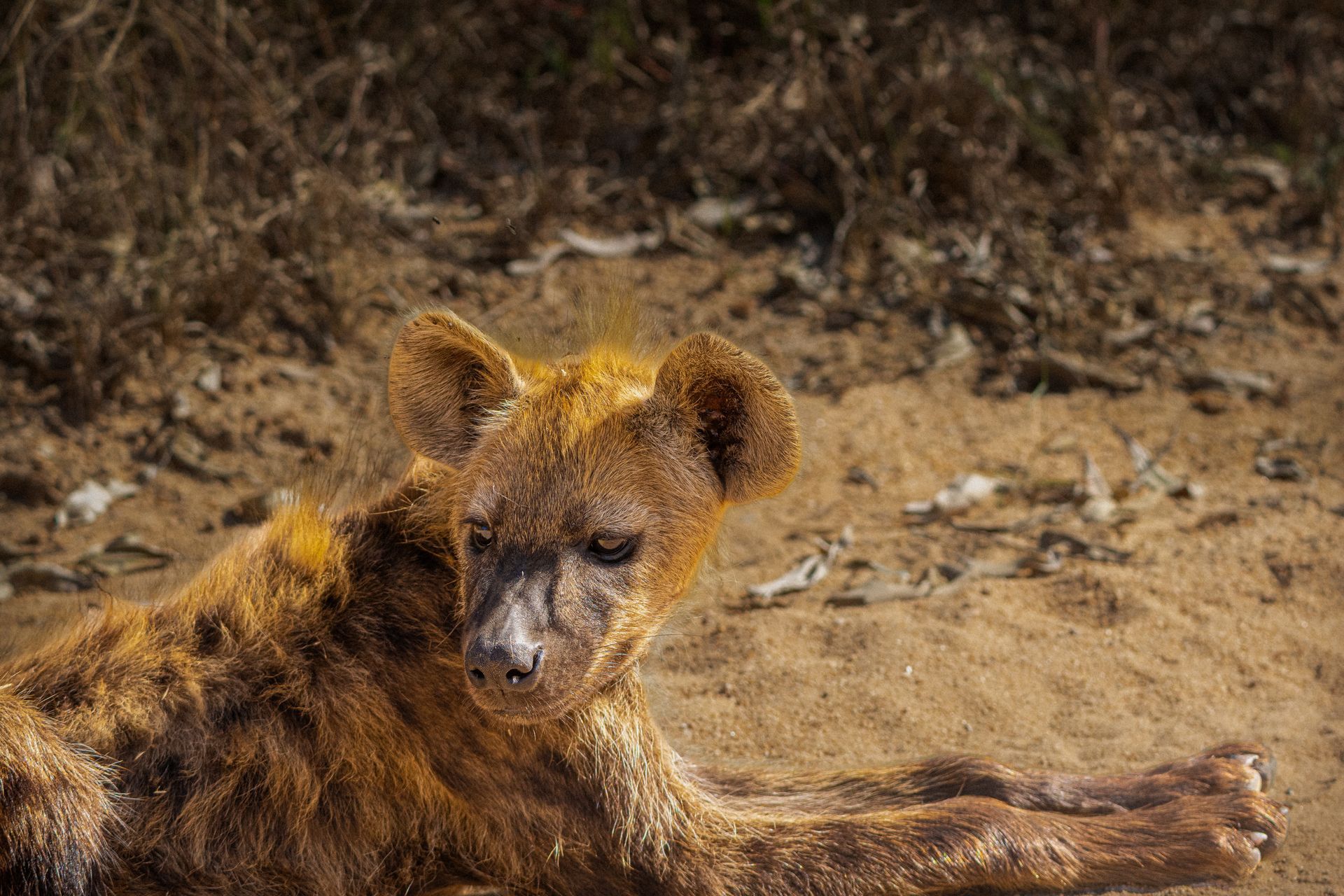
The ridiculous expression on a hyena's face.
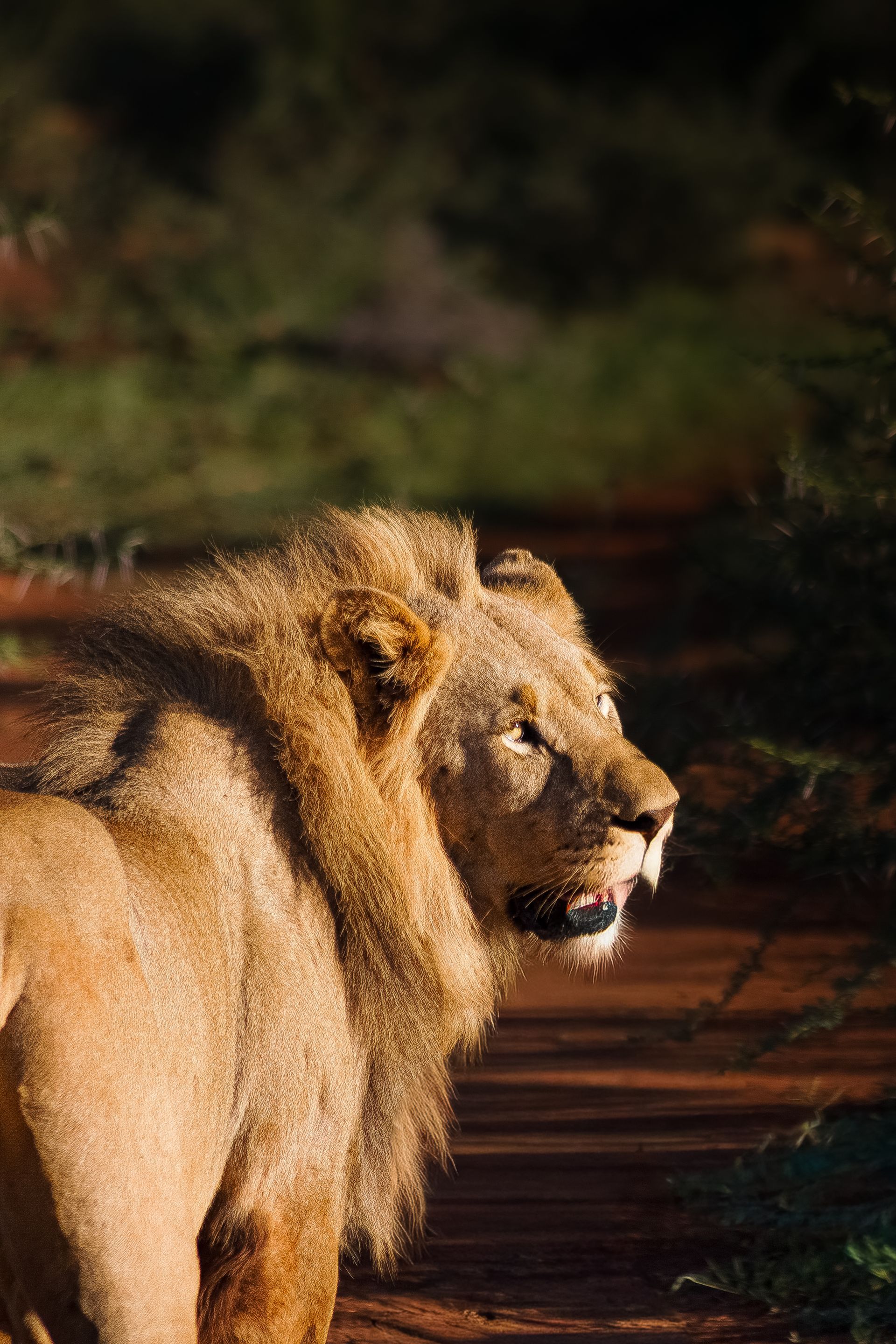
The golden rim of sunlight around a lion's mane.
The guide quietly watching the horizon.
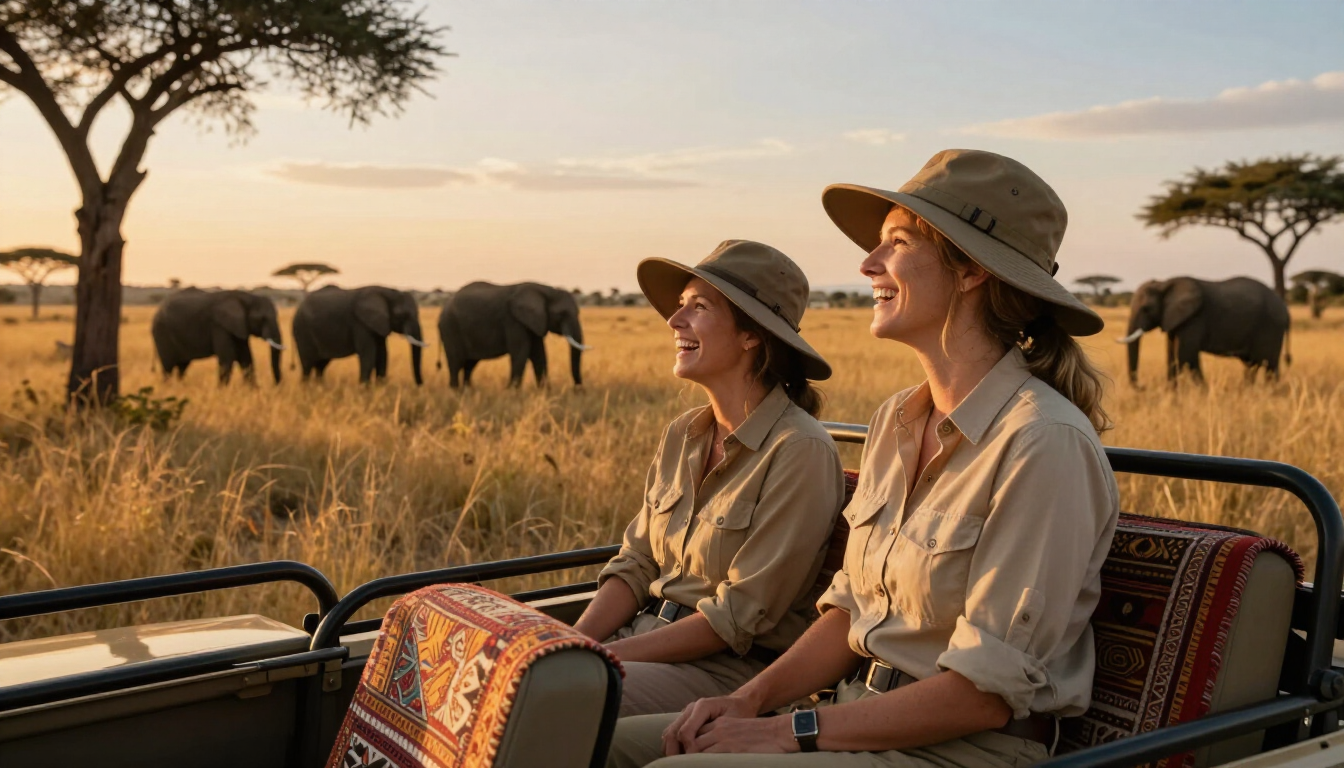
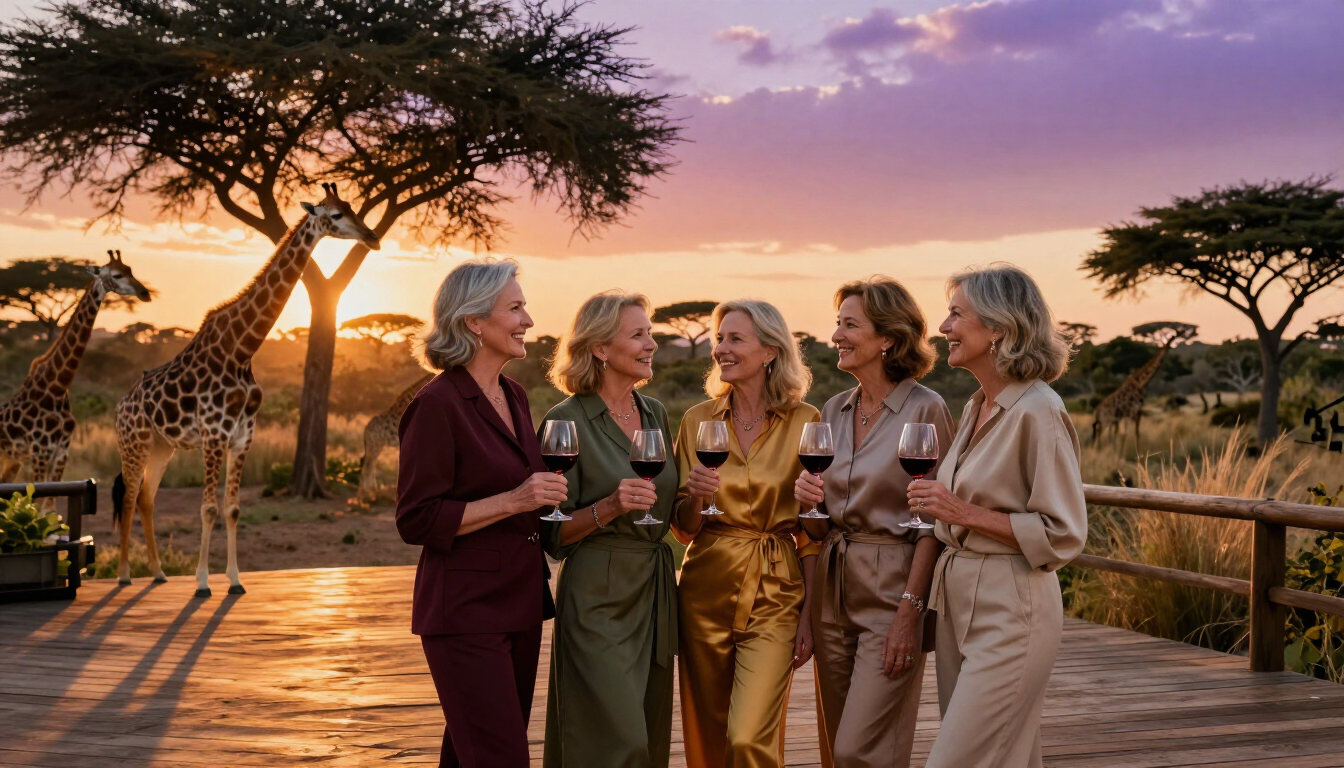
The women laughing in the vehicle after a long morning in the bush.
These are the photographs that make us feel something.
And that is ultimately what I am looking for every time I pick up my camera.
What Camera Gear Do I Actually Use for Wildlife Photography?
I am not going to give you a fantasy equipment list containing twenty lenses and enough camera bodies to remortgage your house.
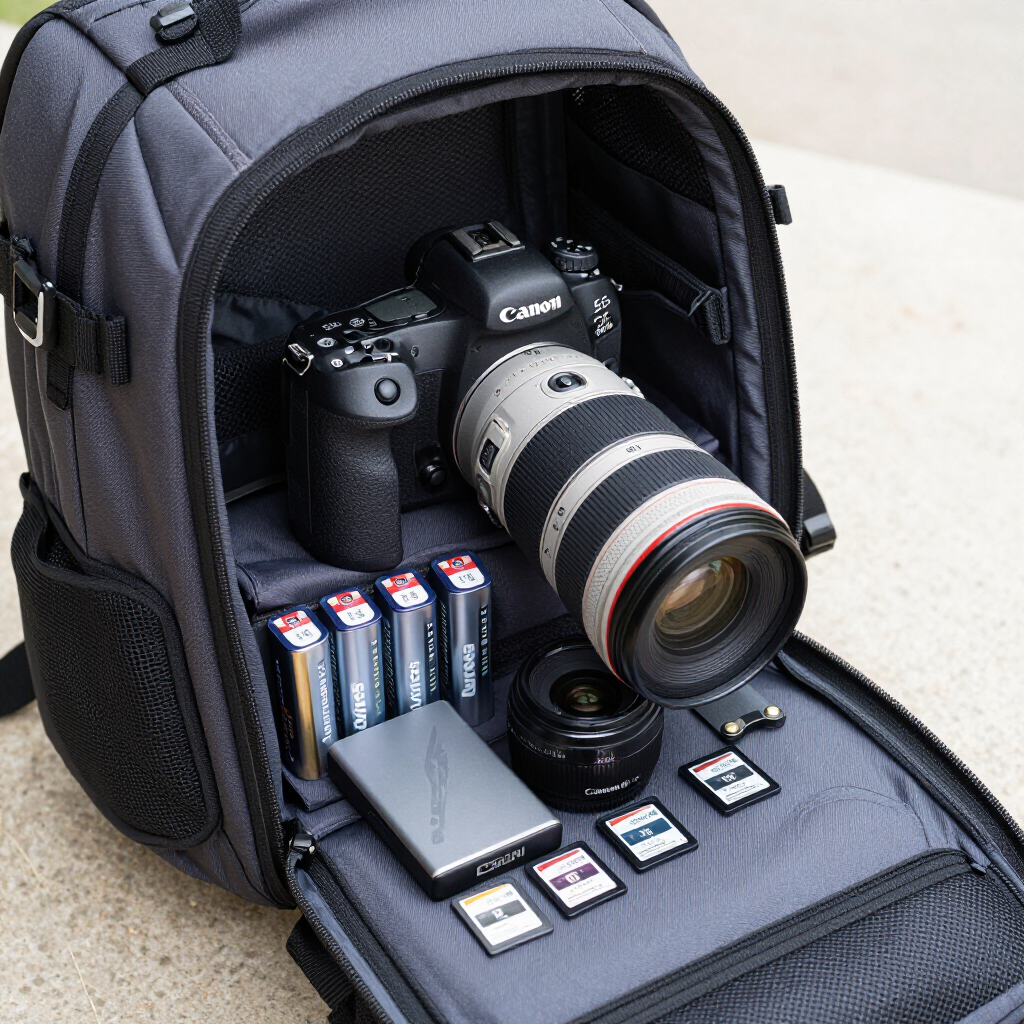
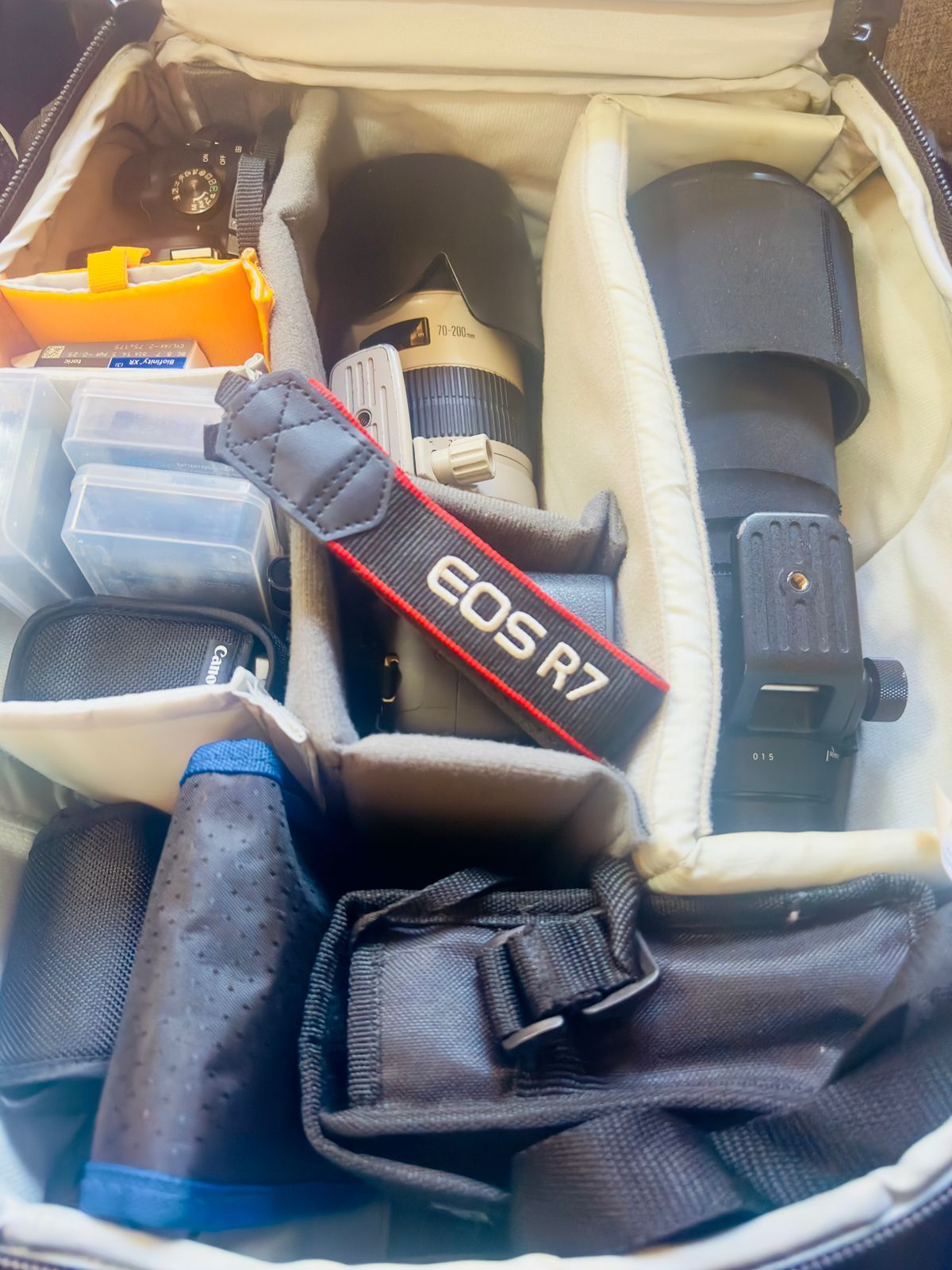
This is the equipment I actually travel and photograph with.
1.
Camera Bodies:
Canon EOS R7
Canon EOS 5D Mark II
2.
Lenses:
Sigma 150–600mm F5–6.3 DG OS HSM Contemporary
Canon 70–200mm f/2.8
Canon 50mm f/1.8
3.
Storage & Backup:
HIKSEMI 1TB portable storage device
Multiple memory cards
4.
More Camera Batteries than I probably need
That is my working kit. Each piece has a job. I do not want to carry equipment merely because it might theoretically be useful once every four years.
Safari luggage restrictions are real. Dust is real. Carrying heavy equipment through airports is real.And trying to change lenses while a leopard walks across the road is also very real.
My system is designed around one principle:
Be ready for the photograph that is actually happening.
Not the photograph you thought might happen when you packed your bag three weeks earlier.
Why Do I Use Two Camera Bodies on Safari?
Using two camera bodies is not essential. But once you become serious about wildlife photography, it can be enormously useful. My two bodies are very different. And that is exactly why I like them.
Why Is the Canon EOS R7 My Main Wildlife Camera?
The Canon EOS R7 is the camera I reach for when things are happening quickly.
It is particularly useful for:
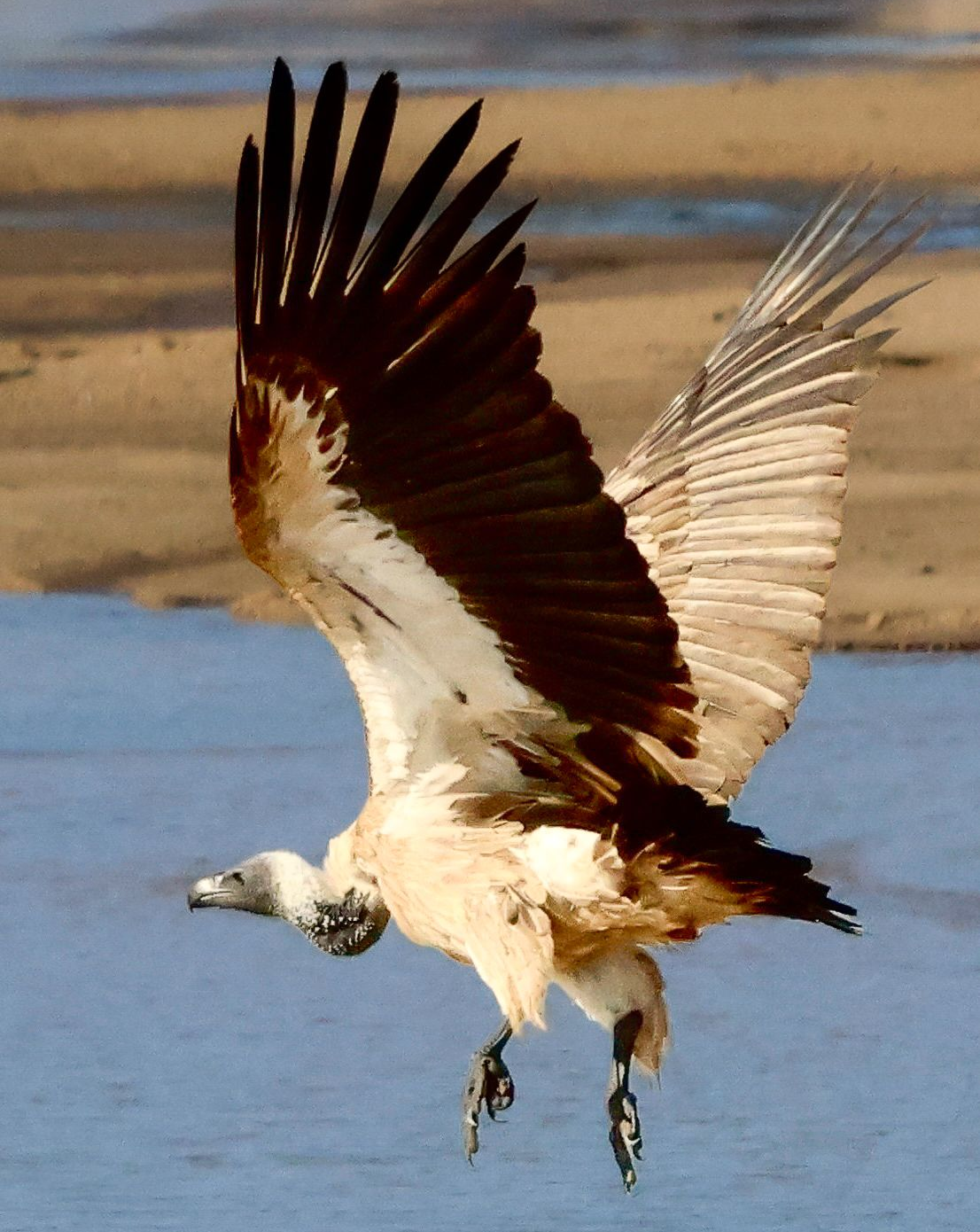
- Birds in flight
- Fast-moving predators
- Wildlife action
- Distant subjects
- Animals moving unpredictably
- Situations where autofocus speed matters
The R7 combines a high-resolution APS-C sensor with animal recognition and fast continuous shooting. The APS-C format also gives a narrower field of view than the same focal length on a full-frame body, which can be extremely useful for wildlife when your subject is distant. Canon specifies a 32.5-megapixel APS-C sensor, animal-recognition autofocus and continuous shooting of up to 15 frames per second with the mechanical shutter and 30 with the electronic shutter.
In plain English?
It is fast, it gives me reach, and it gives me a much better chance of keeping a moving animal sharp.
But technology is not magic.
Animal Eye Detection can be fantastic.
Until there is a branch in front of the leopard.
Then the camera may decide that the branch is the most fascinating subject in Africa.
That is why understanding your autofocus system matters more than simply switching on Animal Eye AF and hoping for the best.
Why Do I Still Carry the Canon EOS 5D Mark II?
The 5D Mark II is an older camera. I know that. It does not have the autofocus technology of the R7. It does not have modern animal eye tracking. It is not the body I reach for when a bird suddenly explodes out of a tree. But photography is not always about speed. The full-frame 5D Mark II gives me another visual tool. I use it when I want to slow down.
It works beautifully for:
- Environmental portraits
- Camp life
- Guides
- People
- Landscapes
- Wider wildlife scenes
- Storytelling
- Quiet moments
Not every photograph needs to be a tight portrait of an animal's eyeball. Sometimes the story is the tiny elephant beneath an enormous African sky. Sometimes it is the woman sitting beside the fire. Sometimes it is the dust, the road and the vehicle disappearing into the distance. Sometimes the animal needs room to breathe.
A good wildlife photography kit should help you tell more than one kind of story.
Do You Really Need a 600mm Lens for Safari?
No.
You do not need a 600mm lens to go on safari.
You can create wonderful wildlife photographs with:
- 200mm
- 300mm
- 400mm
- A bridge camera
- A phone, in the right circumstances
A long lens gives you options. It does not give you talent.
For most wildlife photography, I would rather have:
- A camera I understand
- A lens I can comfortably use
- Enough shutter speed
- Good light
- Good positioning
than a wildly expensive lens I have no idea how to operate.
The best camera is not necessarily the most expensive camera.
It is the camera that you can operate without having to stop and think when the moment happens.
What Are My Go-To Settings With the Sigma 150–600mm?
My practical starting point for general wildlife is:
Mode: Manual
Shutter speed: 1/2000 sec
Aperture: Around f/7.1
ISO: Auto
AF: Servo / Continuous
Subject detection: Animals
Eye detection: On
Drive: High-speed continuous
These are not rules carved into stone. They are a starting point.
I would rather begin with enough shutter speed and adjust from there than discover afterwards that I have 300 beautifully exposed photographs of a slightly blurry leopard.
My rule is simple:
Sharp and noisy beats clean and blurry.
I can work with noise.
I cannot put detail back into a photograph that is blurred because my shutter speed was too slow.