Unfairly Judged Safari Animals: An Appreciation Guide


By Antje Mouton May 2, 2026

What are the most misunderstood animals on a safari?

Unfairly judged safari animals are species like hyenas, vultures, and snakes that suffer from negative stereotypes despite their vital ecological roles. These "unloved" creatures maintain ecosystem health through scavenging and pest control, proving that every member of the African wilderness deserves our respect and protection beyond just the Big Five.

Let’s be honest: everyone goes on safari to see the "A-listers." We want the lion looking regal on a rock, the leopard draped lazily over a branch, and the elephant looking like a wise, wrinkled grandfather. But what about the ones who didn’t get the memo from the Disney PR department? The ones that usually elicit a "keep driving, it’s just a..." from the back of the Land Cruiser?

At Girl in the Wilderness , we believe every creature has a story worth telling—even the ones with terrible table manners or questionable fashion choices. If you're joining one of our Women Only Safaris, prepare to fall in love with the underdogs. Here is your official guide to the animals we love to hate, and why they actually deserve a standing ovation.

The Hyena: More Than Just a Cackling Villain

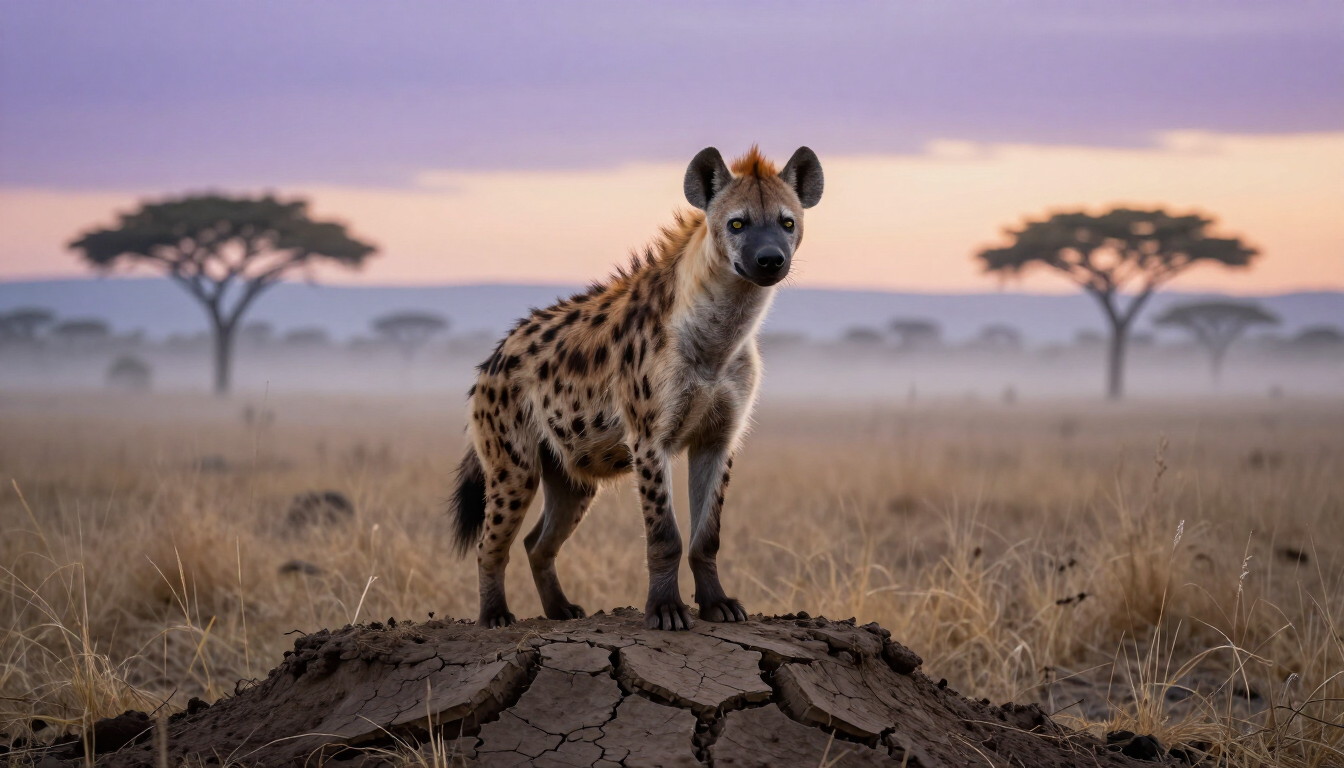
If the Lion King did one thing, it was a massive disservice to the spotted hyena. Shenzi, Banzai, and Ed did not help the hyena’s public image. Most people see them as mangy, cowardly scavengers who skulk in the shadows waiting for a lion to do the hard work. This couldn't be further from the truth.

First of all, hyenas are actually incredible hunters. In many ecosystems, they kill up to 95% of the food they eat. If anything, it’s the lions who are the lazy thieves, often bullying hyenas off their hard-earned kills. Furthermore, hyenas have a bite force that could crush a bowling ball (don't test this, please), allowing them to eat parts of the carcass that other predators leave behind, like bone marrow. They are the ultimate recyclers.

But the best part for us at Girl in the Wilderness? Hyena society is a fierce matriarchy. The females are larger, more aggressive, and significantly more powerful than the males. Even the lowest-ranking female is higher in the hierarchy than the highest-ranking male. It’s a girl-power world out there in the dens. When you’re out on our Solo Female Safaris in Africa , watching a clan of hyenas interact is a fascinating lesson in social complexity and female leadership.

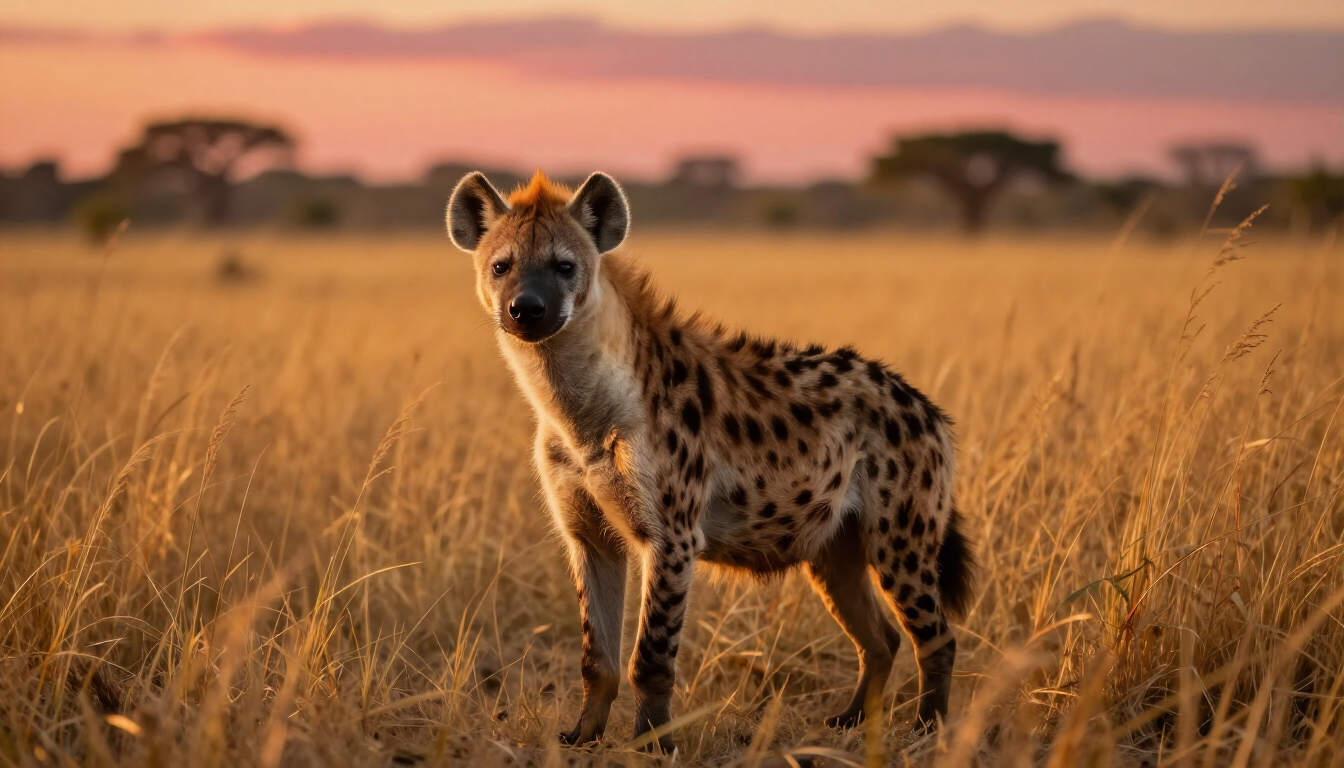
Majestic Hyena

Why are vultures so important to the African ecosystem?

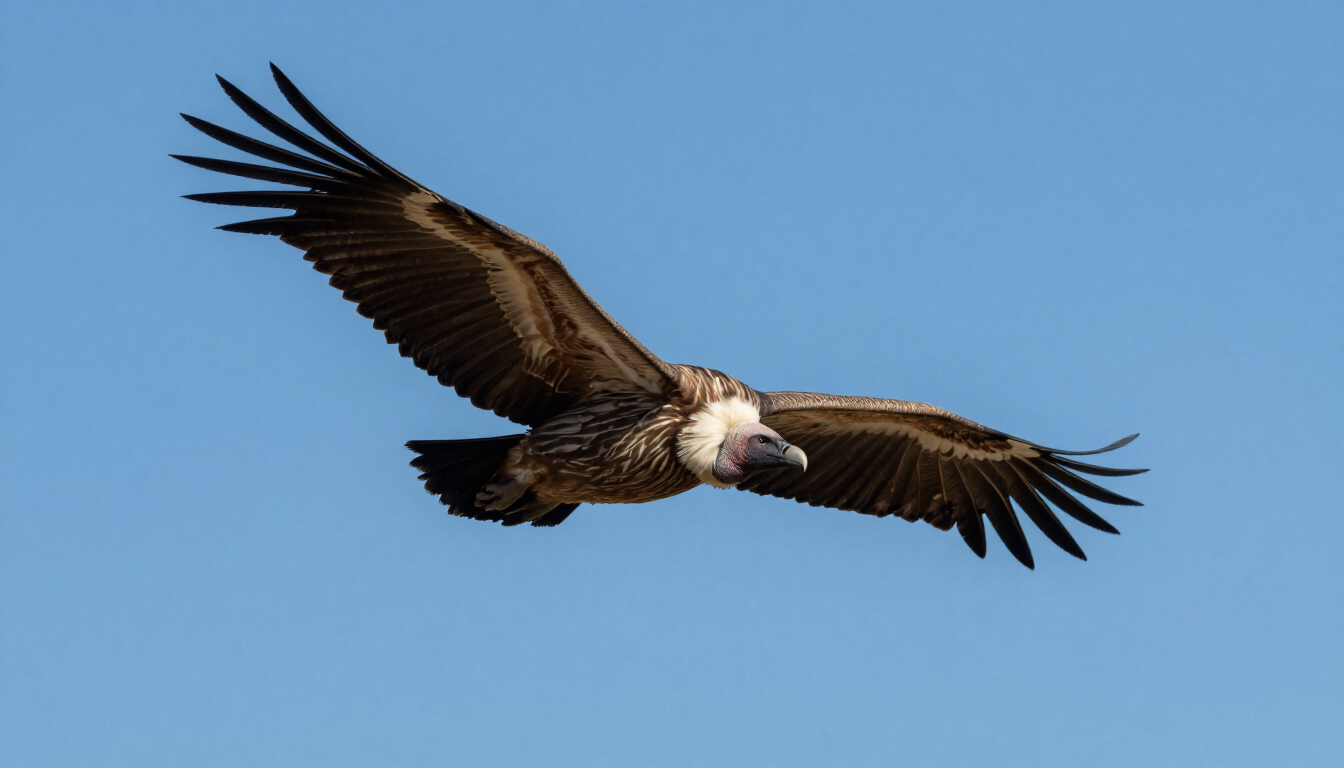
Vultures are the health inspectors of the savanna. Without them, the African wilderness would be a much smellier, much more dangerous place. While they might look like they’ve just walked out of a gothic horror novel with their hunched backs and bald heads, their role is purely altruistic (well, in a "I want to eat that" kind of way).

When an animal dies in the bush, it becomes a breeding ground for diseases like anthrax and tuberculosis. Vultures have stomach acid that is so incredibly corrosive it can neutralize these pathogens, effectively stopping outbreaks before they start. They are the only animals capable of cleaning up the environment this efficiently. Without them, the entire food chain would collapse under the weight of disease.

Five Reasons to Appreciate Vultures

  • They can spot a carcass from kilometers away using incredible eyesight.
  • Their bald heads are a hygiene choice—it's easier to stay clean when you’re sticking your head into, well, lunch.
  • They are highly social and communicate through complex body language.
  • They save livestock and humans by removing rotting meat from the landscape.
  • Watching them descend from the sky is a masterclass in aerial dynamics.

The Warthog: The Pumbaa Problem and Real Bush Life

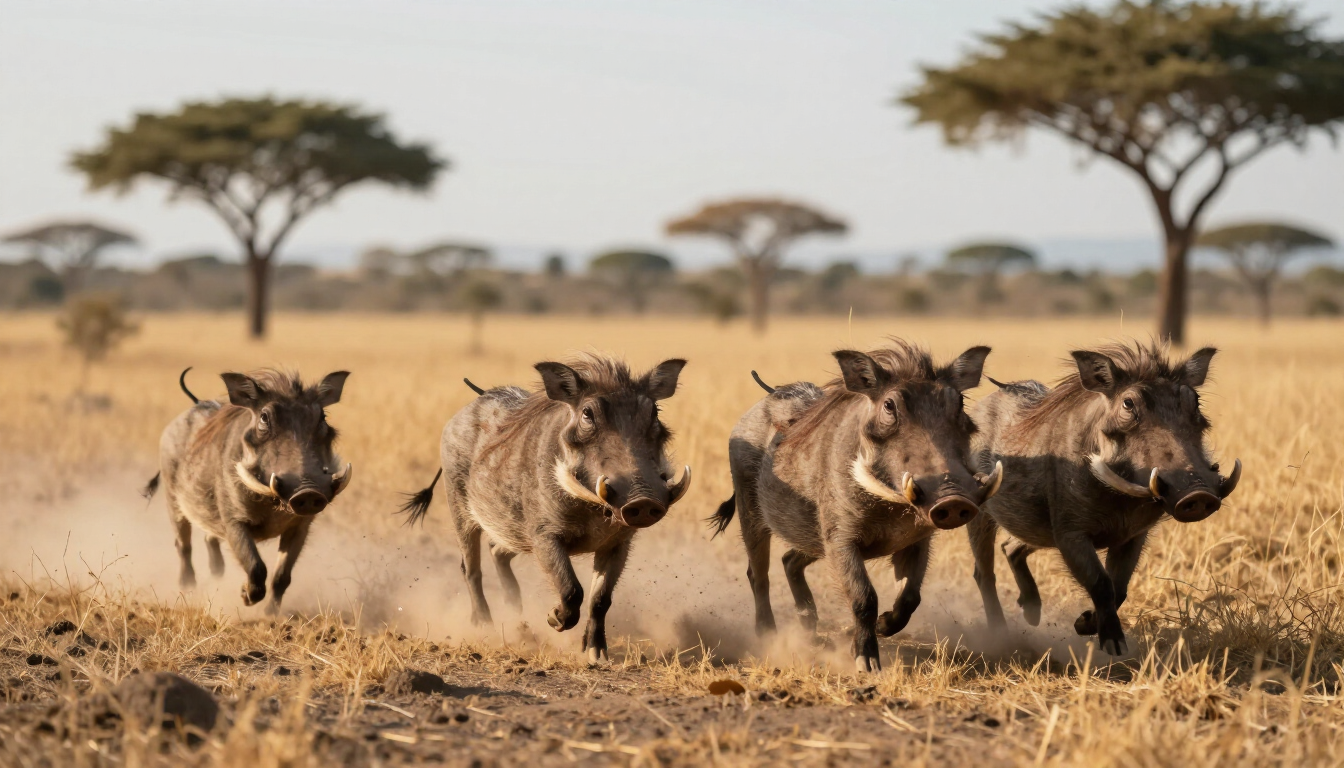
Ah, the warthog. The animal that everyone finds "ugly-cute." They are the comedians of the African plains, mostly because they look like they were assembled by a committee that couldn't agree on anything. They’ve got the tusks of a warrior, the mane of a rockstar, and the body of a small, hairy suitcase.

People often laugh at warthogs because of their habit of "kneeling" to eat. This isn't out of some deep religious devotion to the grass; it’s simply because their necks are too short to reach the ground comfortably. And then there’s the tail. When a warthog runs, its tail sticks straight up in the air like a radio antenna. This is actually a "follow-me" signal for their piglets in the long grass—the original GPS.

Warthogs are also surprisingly tough. They live in burrows (usually stolen from aardvarks) and will back in tail-first so they can use their tusks to defend the entrance. They are the brave little survivors of the bush, and honestly, seeing a family of "phacochoerus africanus" trotting through the dust is one of the highlights of any Wildlife Photography excursion. They have personality in spades, which is more than I can say for some of the more "elegant" antelope.

Warthog Family

Are African snakes really as dangerous as people think?

Mention a snake on safari, and half the vehicle will usually try to climb onto the roof. Snakes have a PR problem that dates back to the Garden of Eden, but in reality, they are shy, retreating creatures that want absolutely nothing to do with humans. They aren't lying in wait to jump out of trees; they are busy being the ultimate pest control.

Snakes play a vital role in keeping rodent populations in check. Without them, we’d be knee-deep in rats and mice, which carry their own host of problems. Most snakes you might encounter, like the harmless sand snake or the beautiful (and very shy) boomslang, are more afraid of your boots than you are of their fangs.

When we guide women through the bush, we teach them to appreciate the intricate patterns and the incredible engineering of a snake’s movement. It’s about respect, not fear. Understanding that a puff adder isn't "mean"—it’s just extremely well-camouflaged and prefers to be left alone—changes the way you see the ground beneath your feet. It adds a layer of awareness to the safari experience that makes the wilderness feel alive in every dimension.

Nature's Janitors: The Vital Role of Scavengers

While we spend our time photographing the "clean" hunters, the scavengers are doing the dirty work that keeps the ecosystem functional. This category includes more than just hyenas and vultures; it includes marabou storks (often called the "undertaker bird"), jackals, and even the tiny dung beetle.

Yes, even the dung beetle deserves your love. These tiny powerhouses move literal tons of waste every year, aerating the soil and dispersing seeds in the process. Without the "ugly" crew, the African savanna would quickly become an uninhabitable wasteland. They are the gears that keep the whole machine turning, and there is a profound beauty in that efficiency if you're willing to look past the surface.

Vulture in Flight

How can we change our perspective on safari wildlife?

Changing your perspective on safari starts with moving away from the "checklist" mentality. If you only care about seeing the Big Five, you’re missing 90% of the magic. The wilderness isn't a zoo; it’s a complex, interconnected web where the "unattractive" animals are often the most essential.

By learning the stories of the hyena’s social structure or the vulture’s biological brilliance, you transform your safari from a sightseeing trip into an immersive educational experience. You start to see the bush as a living organism where every part matters. This is the heart of what we do—encouraging women to connect deeply with nature, in all its messy, cackling, and toothy glory.

Key Takeaways for Your Next Safari

  • Research the Underdogs : Before you go, read up on the "Ugly Five" (Hyena, Vulture, Warthog, Marabou Stork, and Wildebeest).
  • Ask Your Guide : Instead of asking "Where are the lions?", ask "What is that vulture doing?"
  • Observe Social Dynamics : Watch how hyenas interact; it’s more like a soap opera than you think.
  • Appreciate the Small Stuff : Look for the snakes, the lizards, and the beetles that provide the foundation for the larger animals.
  • Value Function Over Form : Remember that in nature, beauty is often defined by how well a creature helps its environment survive.

In conclusion, the animals we love to hate are actually the ones we should be thanking. They are the brave, the bold, and the hard-working members of the African wilderness. Next time you see a hyena staring at you with those big, dark eyes, or a warthog kneeling in the dirt, take a moment to appreciate the incredible niche they fill. They might not be the "kings" or the "queens" of the jungle, but they are certainly the ones keeping the kingdom together. Ready to meet them yourself? Contact us to start planning your next great adventure.

Sign up to our Newsletter now

Never miss a deal or an update


SHARE THIS

Latest Posts

A luxury safari tent bathroom with a copper tub and view of the savannah.
By Antje Mouton July 14, 2026
Fear not the bush! Our ultimate African safari bathroom guide covers everything from long-drop toilets to peeing behind a Land Cruiser with grace and humor.

A woman enjoying the sunset on an African safari adventure.
By Antje Mouton July 14, 2026
Planning your first solo safari? Discover why Botswana and South Africa are the top choices for women traveling alone in 2026, featuring safety tips and social guides.
A woman trying to pack a giant suitcase for her safari trip.
By Antje Mouton April 13, 2026
Save space and avoid unnecessary luggage fees! Discover the most useless items on your safari packing list and what you actually need for an African adventure.
A safari hat and binoculars overlooking the African savanna at sunrise.
By Antje Mouton April 12, 2026
Experience the hilarious emotional journey of your first African safari. From 4:30 AM wake-ups to becoming best friends with an impala, here are the 17 stages every traveler faces.
Woman on safari looking at the horizon
By Antje Mouton March 9, 2026
Learn how to choose a safe safari company for solo female travelers. Discover expert tips on checking reputations, safety protocols, and the benefits of female-led tours.
Close up of a woman wearing a safari hat with messy hair in the African bush at sunset.
By Antje Mouton March 2, 2026
Learn how to manage safari hair with tips on dry shampoo, messy buns, and hats. Survive the dust and humidity of Africa while looking fabulous with Girl in the Wilderness.
A group of women on an African safari adventure.
By Antje Mouton February 9, 2026
Compare Women-Only Safaris, Solo Safaris, and Private Safaris to find your perfect African adventure. Discover the pros, cons, and witty insights for every traveler.
A group of women laughing on a safari vehicle at sunset in Africa
By Antje Mouton January 21, 2026
Discover the hilarious reality of an all-female safari. From shared binoculars to secret snacks, here is what nobody tells you about joining a women-only safari group in Africa.
A solo female traveler enjoying a safari sunset in Africa.
By Antje Mouton January 20, 2026
Wondering if solo travelers pay more for African safaris? Learn the truth about single supplements and how to save money on your next adventure with Girl in the Wilderness.
A group of adventurous women on a safari in Africa.
By Antje Mouton January 6, 2026
Discover the real women-only African safari cost in 2027. From luxury lodges to budget bush camps, find out how much to save for your dream adventure with Girl in the Wilderness.
Show More