Solo Safari: The Truth About Single Supplements
Solo travellers often pay 20% to 50% more for an African safari due to the "single supplement," a fee lodges charge to cover the cost of a room occupied by one person instead of two. However, joining women-only group tours or traveling during the low season can often eliminate this extra cost.
What exactly is a single supplement safari Africa fee?
In the glamorous world of international travel, the single supplement is the industry’s way of saying, "We love that you’re independent, but your wallet is going to pay for that independence." Essentially, it is a surcharge added to the price of a tour or hotel room when one person occupies a space designed for two. If you’ve ever booked a hotel room and realized you’re paying the same price as the couple in the room next door, who are currently splitting the bill and probably arguing about what to eat for dinner, you’ve encountered the logic of the single supplement.
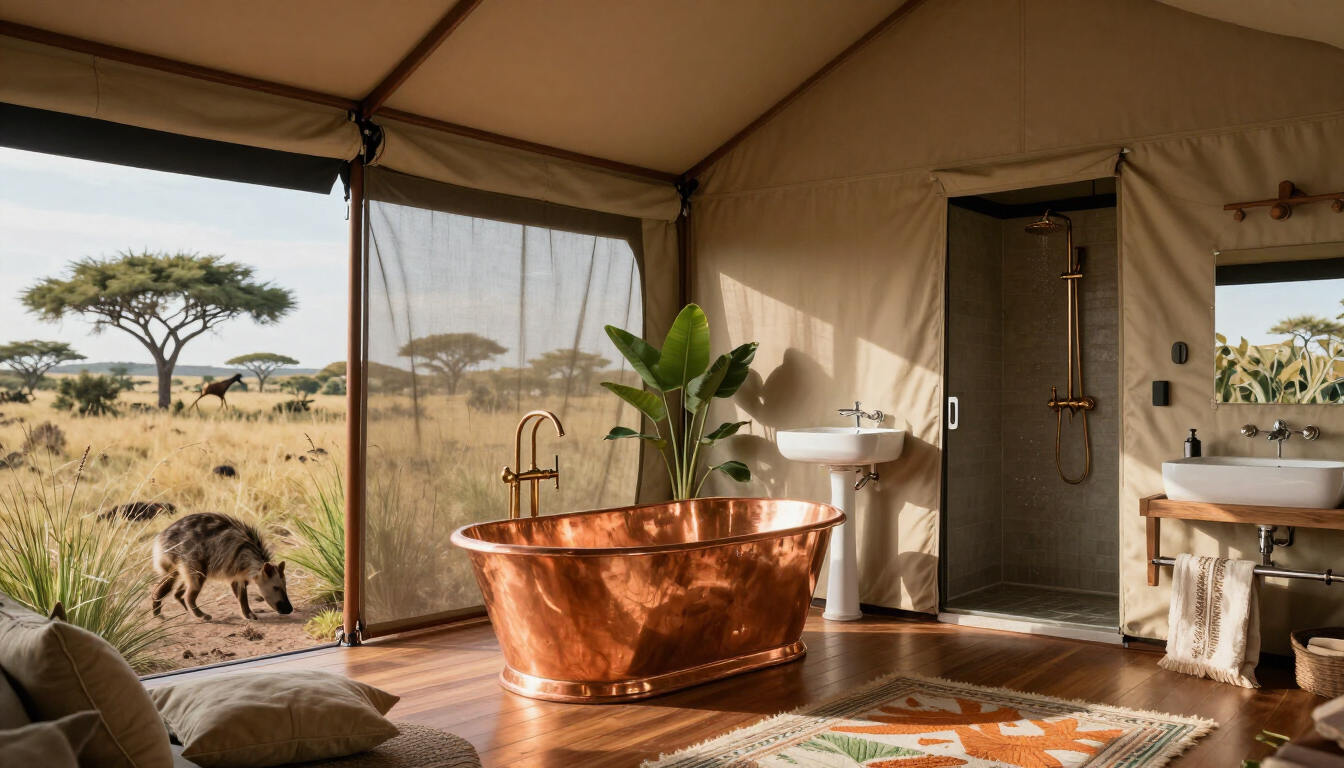
On an African safari, this fee can be particularly eye-watering. Because many safari lodges are all-inclusive (covering food, game drives, and accommodation), they calculate their profit margins based on two people sharing a tent or suite. When you show up solo, the lodge still has to pay for the housekeeping, the guide’s time, and the maintenance of that gorgeous canvas palace, but they only have one person buying gin and tonics at the bar. To make up the difference, they slap on the supplement.
It’s essentially the "Invisible Boyfriend Tax." You are paying for a ghost to sleep in the other half of your king-sized bed. While it might seem unfair that you’re being penalized for not having a travel partner to snore next to you, understanding the mechanics behind it is the first step to beating the system. At Girl in the Wilderness , we believe that being a solo adventurer shouldn't mean you have to sell a kidney just to see a leopard in the wild.
Why do safari lodges hate solo travelers? (They don't, but their bank accounts do)
Let’s clear the air: safari lodges do not actually hate you. In fact, many lodge managers love solo travelers because we are usually easier to please, less likely to complain about a partner's snoring, and much more likely to engage with the local staff. The issue is purely mathematical.
A safari lodge is a high-overhead business. Between the remote locations that require flying in every head of lettuce and the high ratio of staff to guests, the "per head" cost is steep. When a room is sold to two people, the fixed costs are distributed. When it's sold to one, the lodge loses 50% of its potential room revenue.
However, there is a silver lining. Not all single supplements are created equal. You might encounter:
- The 50% Surcharge: The most common and most painful. You pay half the price of the room again.
- The Flat Fee: A set dollar amount (e.g., $100 per night) regardless of the base room price.
- The Seasonal Waiver: A magical time of year where the supplement vanishes entirely.
How much extra will you actually pay for solo travel?
If you are booking a high-end luxury lodge in the Serengeti or the Okavango Delta, the single supplement safari Africa costs can range from $200 to $1,000 per night. Yes, you read that correctly. For a ten-day safari, you could be looking at a multi-thousand-dollar premium just for the privilege of not sharing your bathroom.
In mid-range accommodations, the fee is usually more modest, often hovering around 25-30% of the per-person-sharing rate. If you are a budget-conscious traveler, these numbers can be the difference between a dream trip and a "maybe next decade" trip. This is why many women are turning toward Solo Female Safaris in Africa that specifically negotiate these fees down or offer roommate matching services.
5 Ways to avoid the single supplement trap
- Travel during the "Green Season": Also known as the low or shoulder season. When lodges are at 40% capacity, they would much rather have one person in a room than zero. Many lodges waive the single supplement entirely from November to April (excluding Christmas).
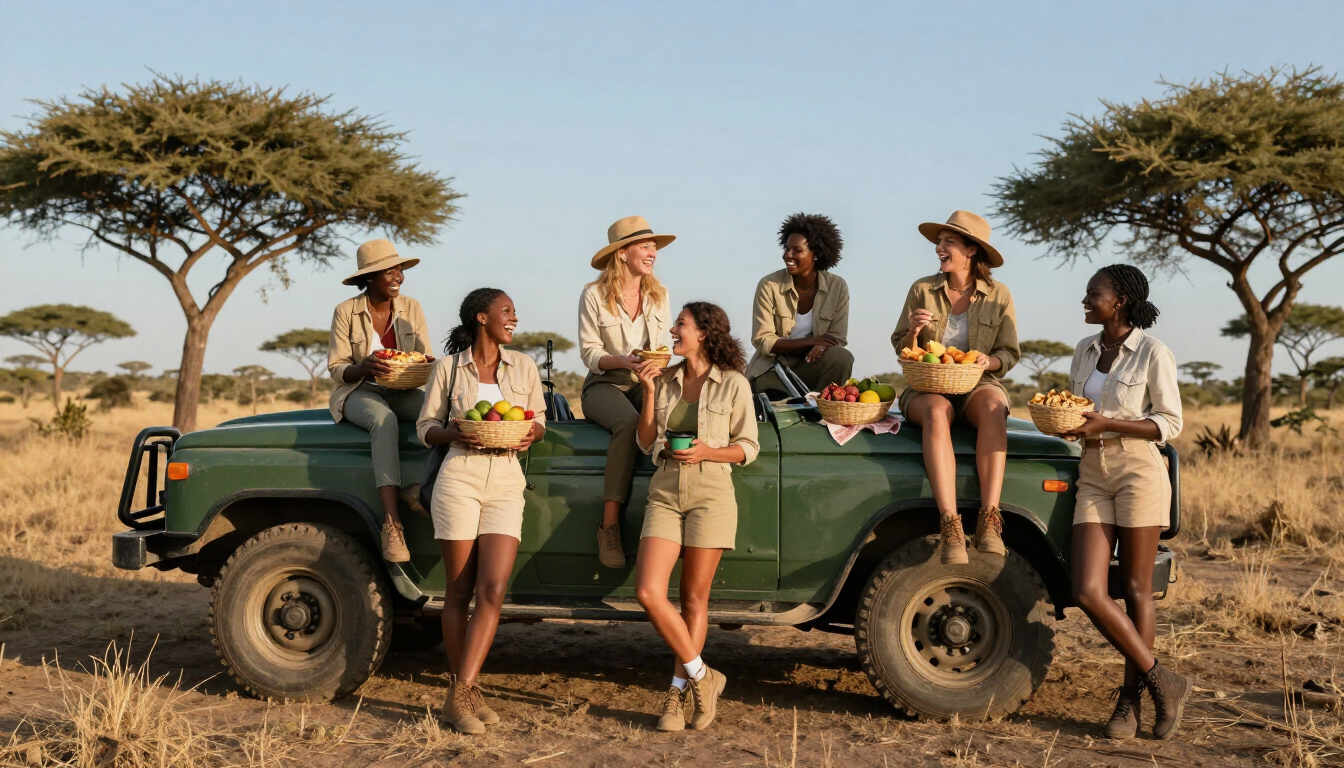
- Join a Women-Only Group: Companies like ours design itineraries specifically for the solo woman. By joining a group, you often get the benefit of group rates which offset the individual costs.
- Opt for Roommate Matching: If you’re willing to share a room with another like-minded female traveler, you can ditch the supplement entirely. It’s like a blind date, but with more elephants and less awkwardness.
- Book Last Minute: If a lodge has an empty bed two weeks before a date, they are often willing to drop the supplement to fill the spot. This requires flexibility but pays off.
- Look for "Solo Friendly" Lodges: Some modern lodges are building smaller, single-occupancy pods or rooms specifically designed for one person, priced accordingly.
Is a solo female safari in Africa safer or cheaper in a group?
This is the million-dollar question sometimes literally. Safety and cost are the two primary concerns for any woman heading into the wilderness alone. While Africa is generally very safe for solo travellers, the logistics of getting from a remote bush airstrip to a lodge can be daunting and expensive when you’re doing it alone. Private transfers for one person cost the same as for four.
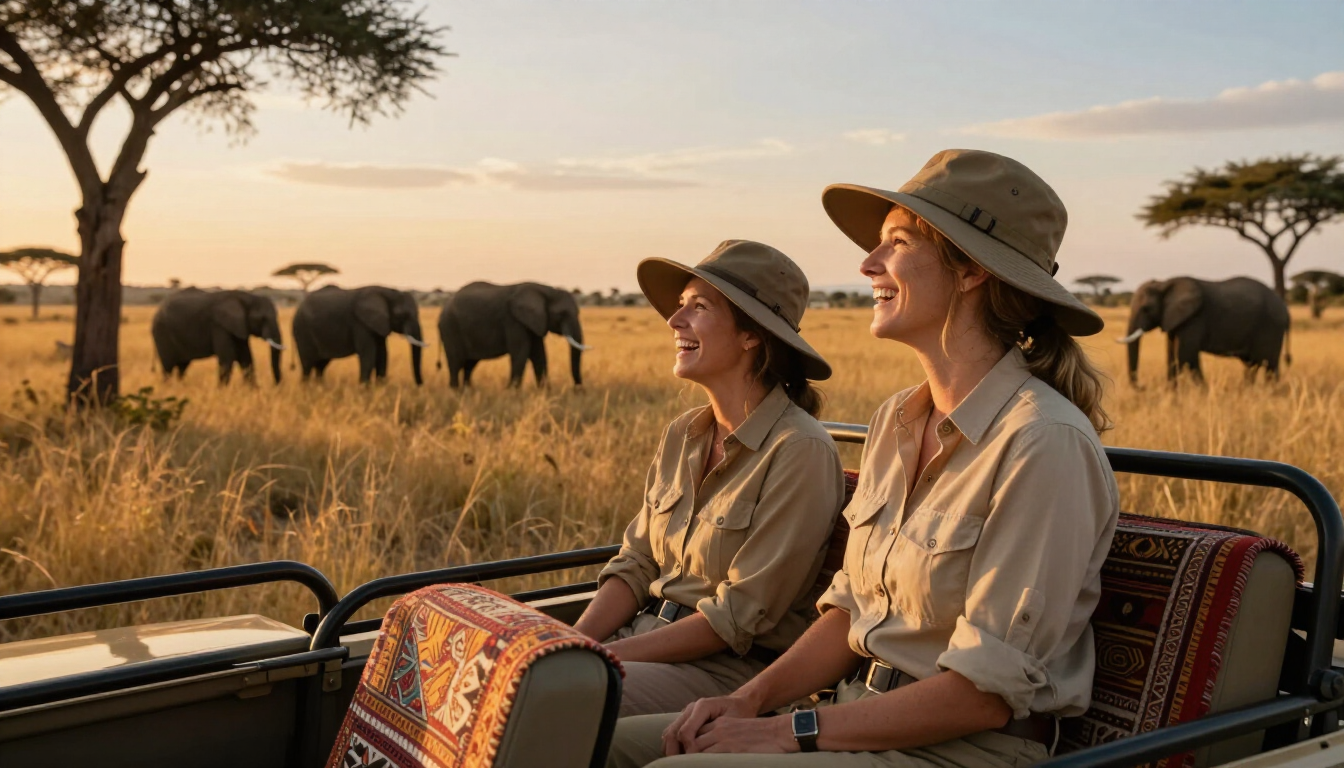
By choosing Women Only Safaris , you aren't just saving money on the single supplement; you're also buying peace of mind. You have a built-in support system, shared transport costs, and a guide who is focused on the specific needs and interests of women travellers. Plus, there’s a unique magic that happens when a group of women gathers around a campfire in the middle of the Wilderness. The stories are better, the laughter is louder, and nobody is judging you for having a second helping of dessert.
The hidden perks of going solo (even if it costs a bit more)
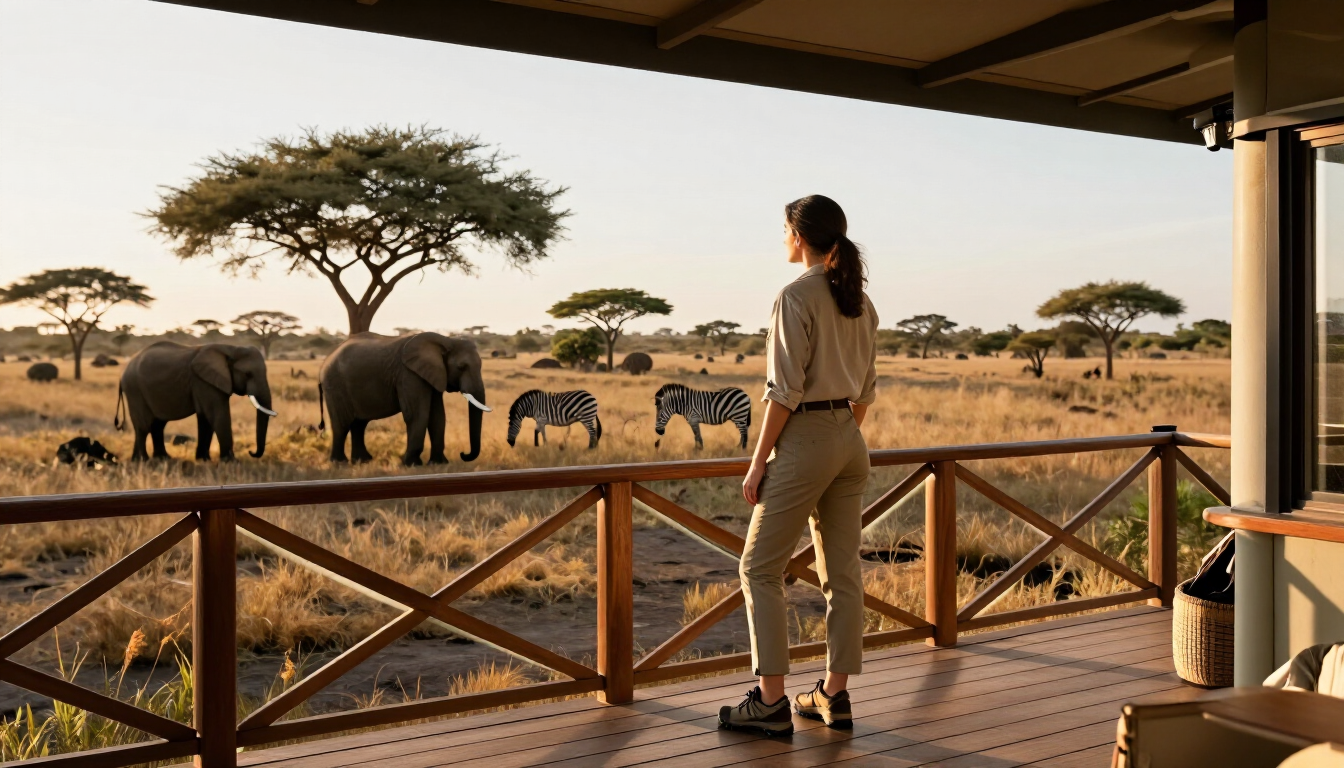
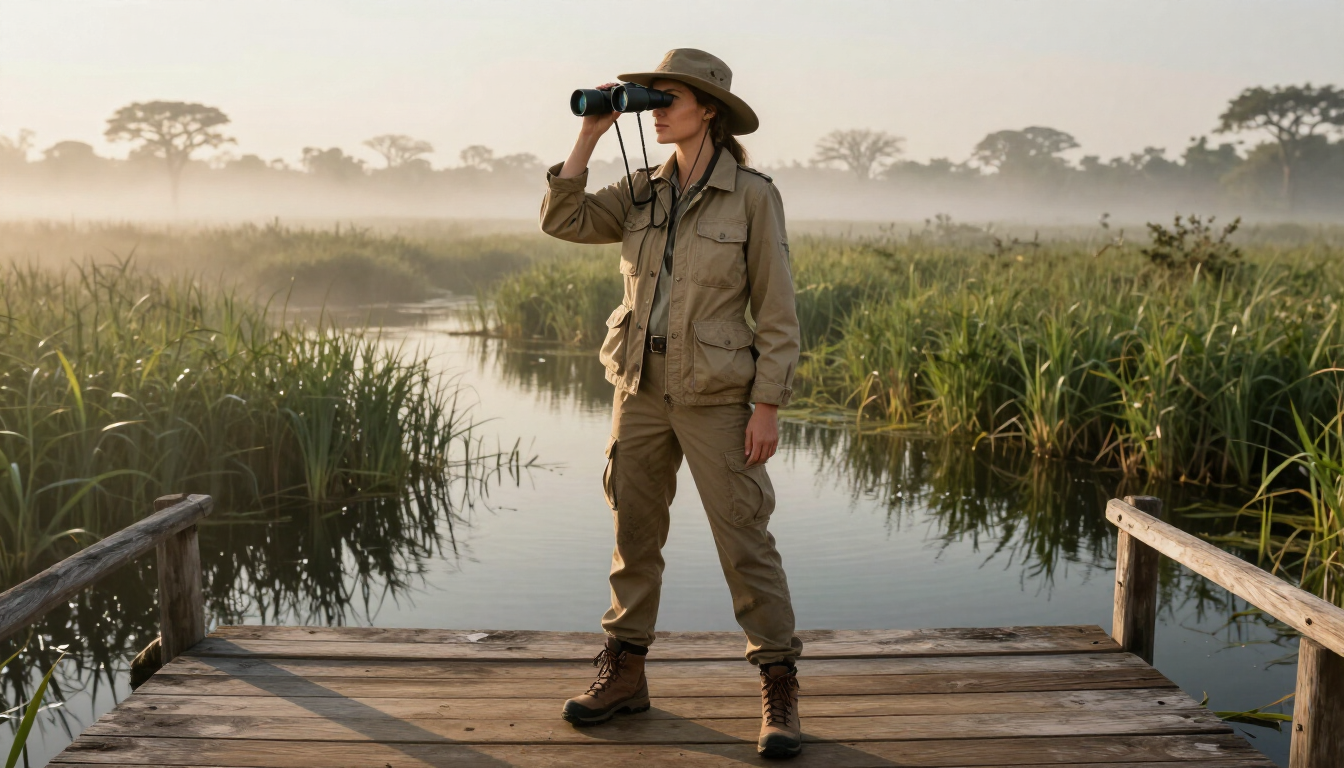
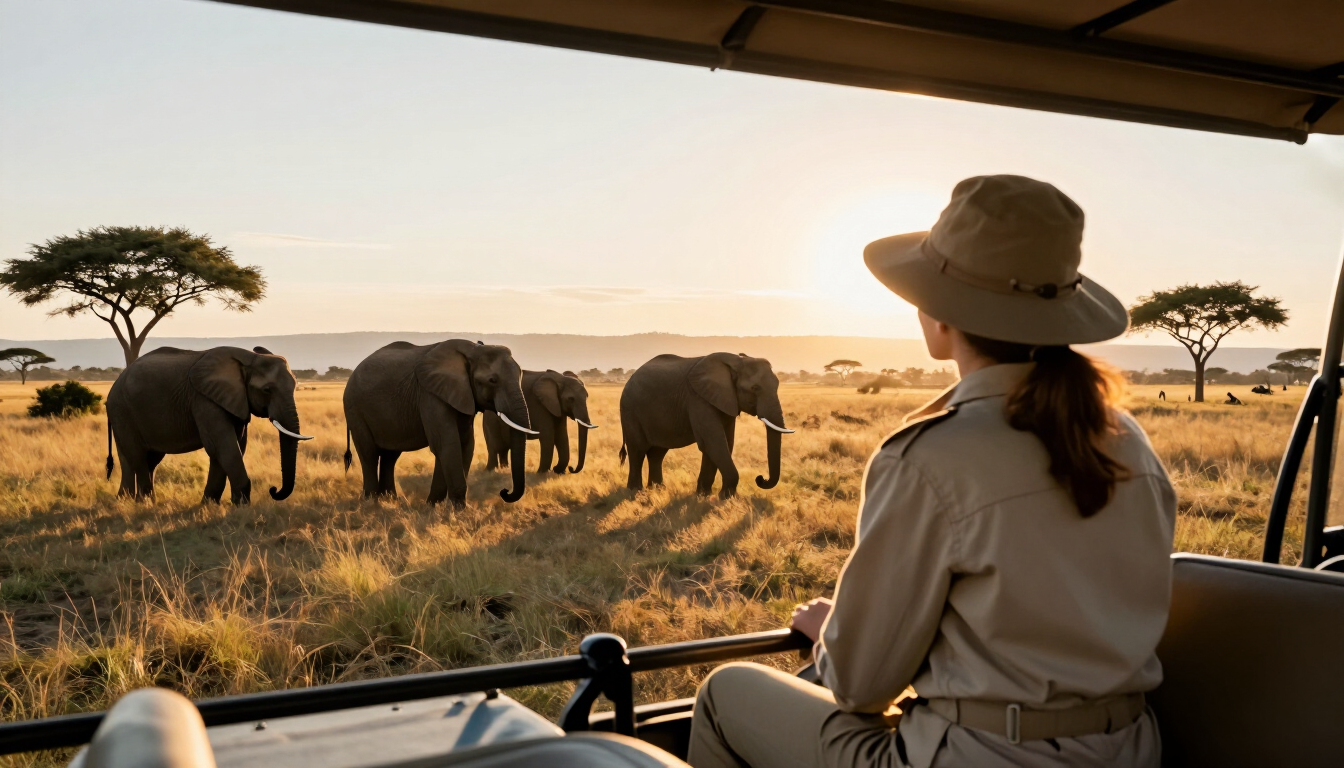
While we’ve spent a lot of time talking about how to avoid the extra costs, it’s worth noting that sometimes, paying the supplement is the best investment you’ll ever make. There is a profound sense of empowerment that comes from sitting in a safari vehicle, just you and your guide, tracking a pride of lions. You choose when to stop, how long to stay, and whether you want to spend four hours watching a dung beetle (hey, they’re fascinating!).
Solo travel allows for a level of introspection that is impossible when you’re constantly checking in with a partner. If you can find a lodge with a low supplement or a seasonal deal, the "Solo Tax" becomes a "Solitude Bonus." You get the whole bed, all the hot water, and the absolute silence of the African night all to yourself.
Summary: How to Win the Solo Safari Game
Navigating the world of single supplements doesn't have to be a headache. The truth is that while solo travelers have historically paid more, the industry is changing. More lodges are recognizing the power of the solo female market and are adjusting their pricing to welcome us. Whether you choose to hunt for low-season deals or join a curated group of adventurous women, the goal is the same: to experience the raw, unbridled beauty of Africa without breaking the bank.
Key Takeaways for Solo Travellers:
- Expect a surcharge: Budget for a 20-50% increase if traveling during peak season (July-October).
- Go Green: Travel in the shoulder season to find "No Single Supplement" deals.
- Group Power: Join Women Only Safaris to share costs and increase safety.
- Negotiate: Don't be afraid to ask a lodge to waive the fee if you’re booking a long stay.
- Focus on Value: Sometimes the privacy and freedom of solo travel are worth the extra cost.
Ready to start planning your solo adventure? Contact our team today to find the best deals for independent women travelers. Whether you want to join a group or brave the bush alone, we’ll make sure you get the best safari experience possible minus the "invisible boyfriend" tax.