10 Things to Skip on Your Safari Packing List (2026)
By Antje Mouton • April 13, 2026

To create the ultimate safari packing list , focus on lightweight, breathable layers in neutral earth tones. You should absolutely omit heavy hiking boots, formal evening wear, and bulky hair styling tools. Prioritizing versatile, soft-sided luggage ensures you comply with bush plane weight limits and maximize your comfort.
The great safari packing list hallucination
We’ve all been there. You’ve just booked your dream trip with Girl in the Wilderness and suddenly your brain transforms into a 1920s British explorer with an unlimited budget and a team of thirty porters. You start looking at things like pith helmets, mahogany-handled umbrellas, and boots that look like they could survive a trek through the center of the Earth.
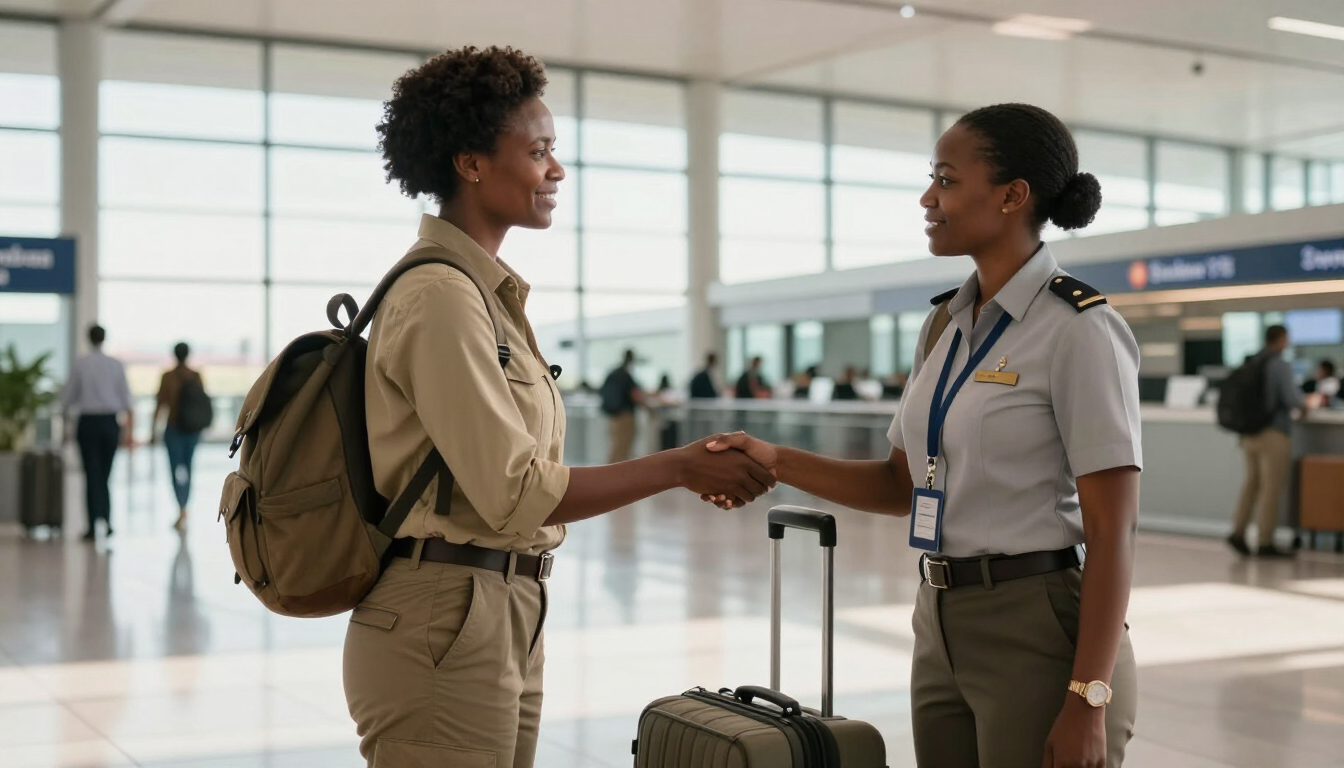
Stop. Put down the heavy-duty binoculars that weigh more than a small child. The reality of a modern safari is far more relaxed (and less dusty, hopefully) than the movies suggest. When you’re preparing for our Women Only Safaris , the goal is efficiency. Most small aircraft that shuttle you between camps have strict weight limits—usually around 15kg (33lbs). If you bring your entire bathroom cabinet, you might find yourself leaving your favorite pair of jeans on a dirt runway in the middle of the Okavango Delta.
Why your heavy hiking boots are lying to you
One of the biggest mistakes travelers make is thinking they need massive, ankle-supporting, waterproof-to-the-knee hiking boots. Unless you are specifically going on a multi-day walking trek or chasing gorillas in the mountains, these are just heavy, hot, and impossible to pack.
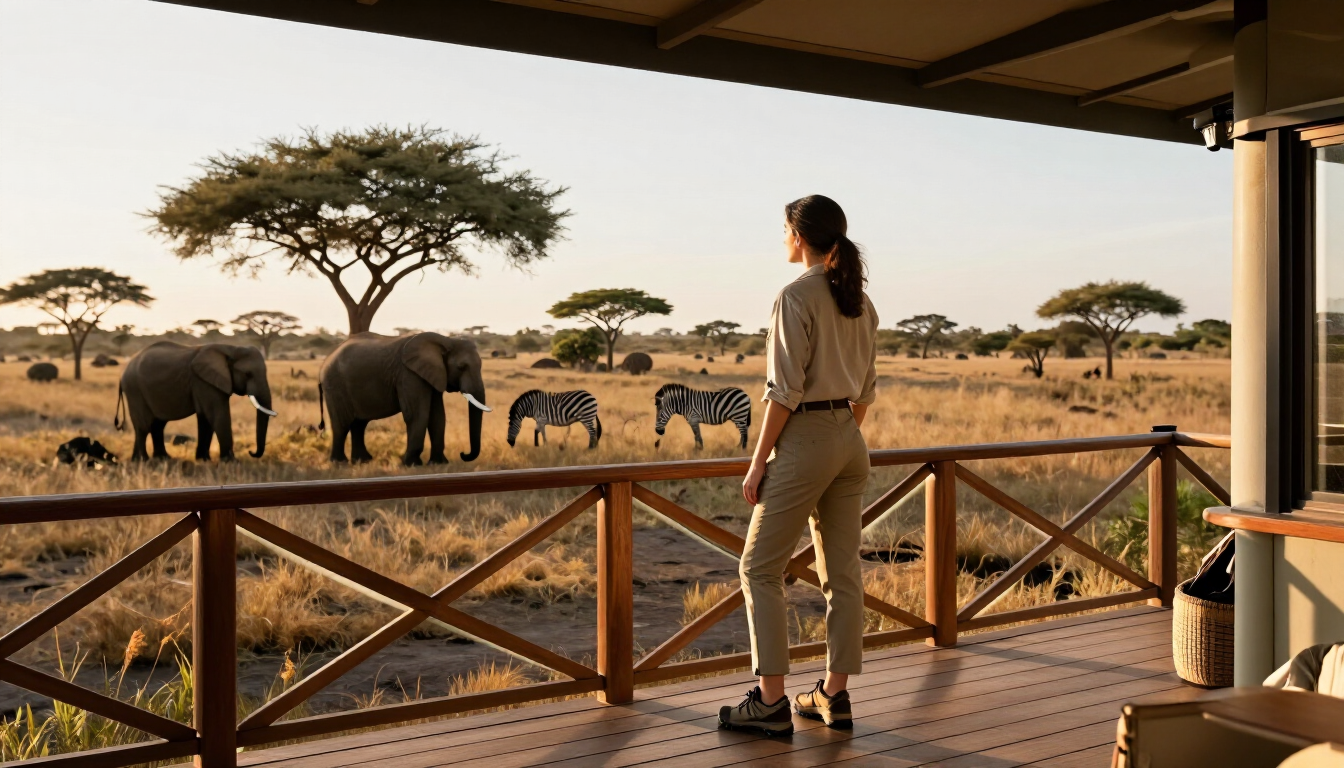
On most game drives, you are sitting in a vehicle. When you do walk, it’s often on relatively flat ground during a guided bush walk. A pair of comfortable sneakers or lightweight trail runners is more than enough.
Reasons to leave the heavy boots at home:
- They take up half your luggage space.
- Your feet will sweat like they’re in a sauna.
- They are a nightmare to take off at airport security.
- You’ll look like you’re trying to invade a small country.
- Light shoes allow for better "stealth" (or at least more comfort).
What should you leave out of your safari packing list?
Aside from the "boots of doom," there are several other items that seem essential but end up being nothing more than expensive dust-collectors. Let’s talk about "Safari Chic." You do not need to look like you’re auditioning for a remake of Out of Africa .
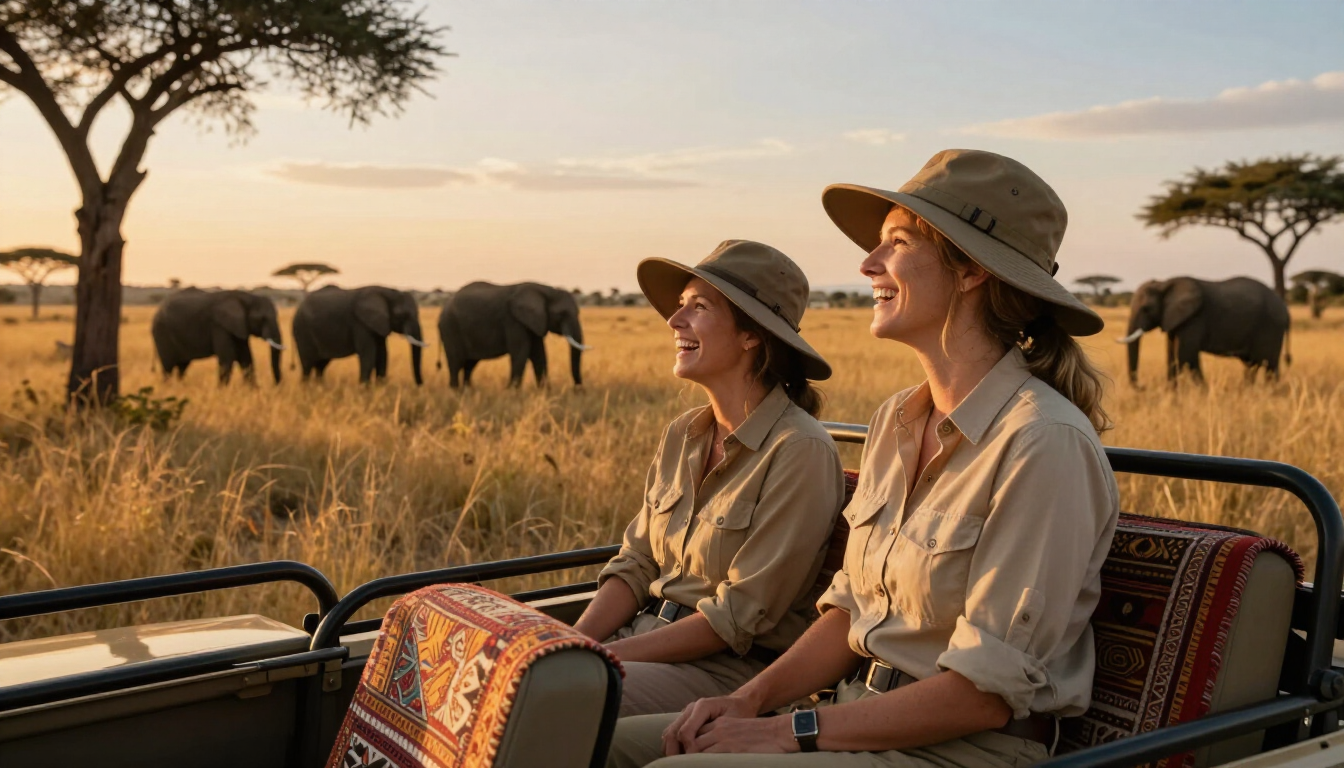
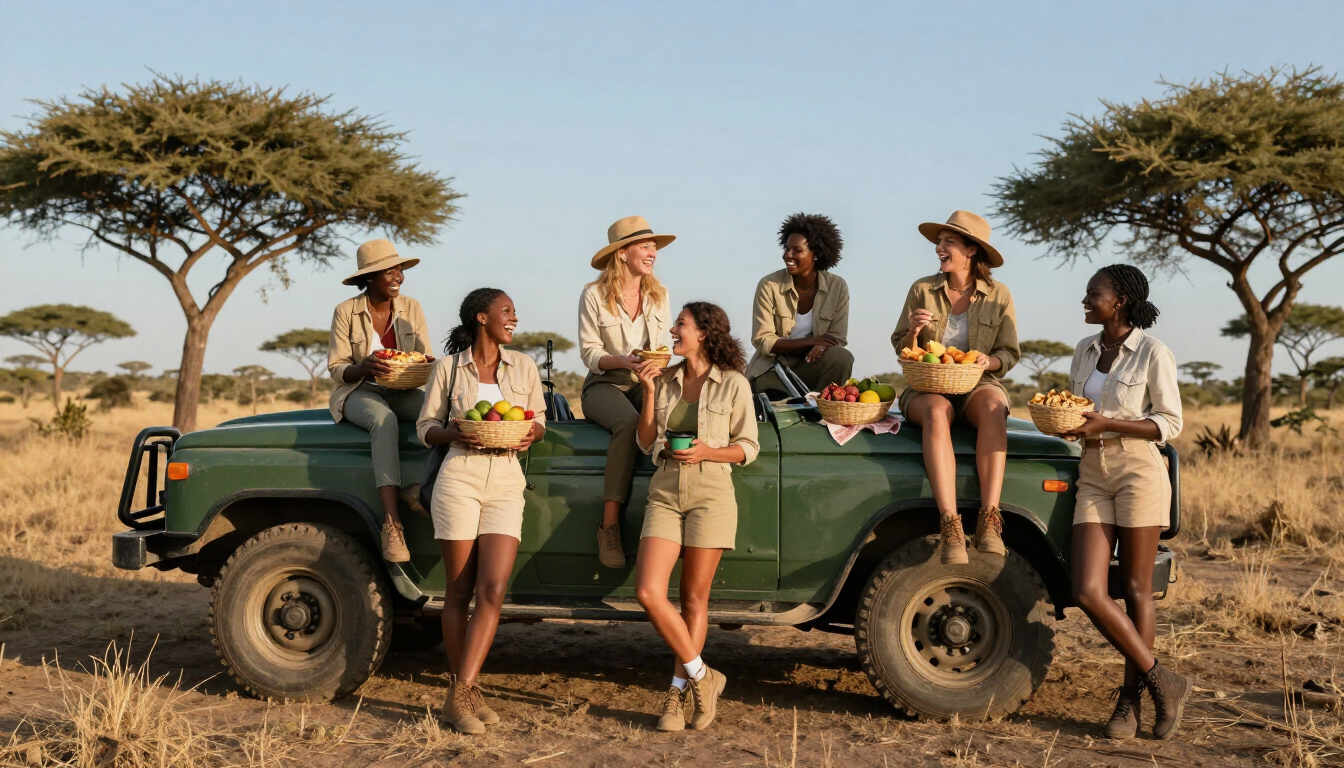
While neutral colors are important for blending in with the bush (and not attracting tsetse flies, who apparently love blue and black), you don't need a 15-piece wardrobe of specialized zip-off cargo pants. One or two pairs of comfortable leggings or light trousers will do. Also, leave the white linen at home. Within five minutes of a game drive, your pristine white shirt will be a lovely shade of "Kalahari Orange."
Can you wear bright colors on safari?
Technically, yes, you can wear neon pink, but the wildlife might see you coming from three miles away. However, you don't need to dress in head-to-toe camouflage. In fact, in some African countries, wearing camo is actually illegal or reserved for the military. Stick to greens, browns, and tans.
Commonly overpacked "useless" items:
- Formal gowns or high heels (the lions don't have a dress code).
- Heavy denim jeans (they take forever to dry and are hot).
- Giant "safari" hats with chin straps that fly off in the wind.
- Excessive amounts of camouflage print.
- Jewelry that dangles and catches on everything.
The myth of the African hair dryer
Ladies, I say this with love: leave the hair straightener at home. Many safari camps run on solar power or limited generators. Plugging in a 2000-watt hair dryer is the fastest way to blow the fuses and plunge the entire camp into darkness. Plus, the moment you head out on a game drive, the wind, dust, and humidity will turn your perfectly coiffed hair into a "lion’s mane" regardless.
Embrace the "safari ponytail" or a stylish headband. It’s part of the experience. If you’re traveling on our Solo Female Safaris in Africa , you'll find that everyone else is in the same boat. We’re all a little dusty, a little windswept, and a lot more concerned with the leopard in the tree than our split ends.
How much luggage is too much for a bush plane?
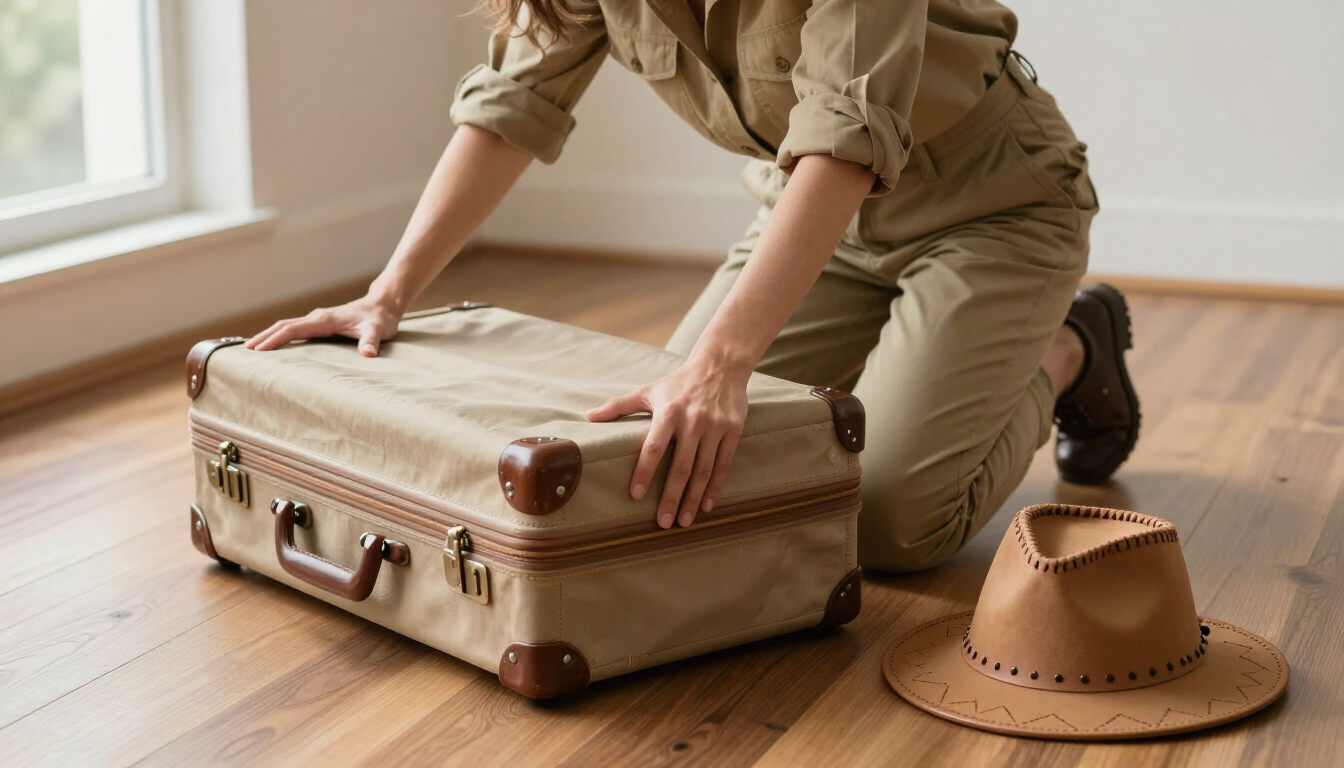
When we talk about the safari packing list , the weight isn't the only issue; it’s the shape of the bag. Hard-shell suitcases are the enemy of bush pilots. These small planes have tiny luggage pods that require soft-sided duffel bags that can be squished and manipulated into place.
If you show up with a giant, rigid Samsonite, it literally might not fit in the plane. Imagine the heartbreak of watching your suitcase stay on the tarmac while you fly off to see the Great Migration.
How to pack light for small planes:
- Use a soft-sided duffel bag with no wheels if possible.
- Use packing cubes to compress your clothes.
- Utilize the laundry service offered at most camps.
- Wear your heaviest items (like a jacket) on the flight.
- Limit your shoes to two pairs max.
The "Just in Case" trap in African travel
We all have that internal voice that says, "But what if I get invited to a royal gala in the middle of the Serengeti?" or "What if I suddenly decide to start professional bird-watching and need a 500-page encyclopedia?"
Africa is unpredictable, but your luggage shouldn't be. Most high-end camps provide basic toiletries, insect repellent, and even ponchos for rain. If you’re joining us for Self-Drive Safaris for Women , space is even more at a premium. Every "just in case" item you pack is one less souvenir you can bring home.
Why you don't need a NASA-grade camera setup
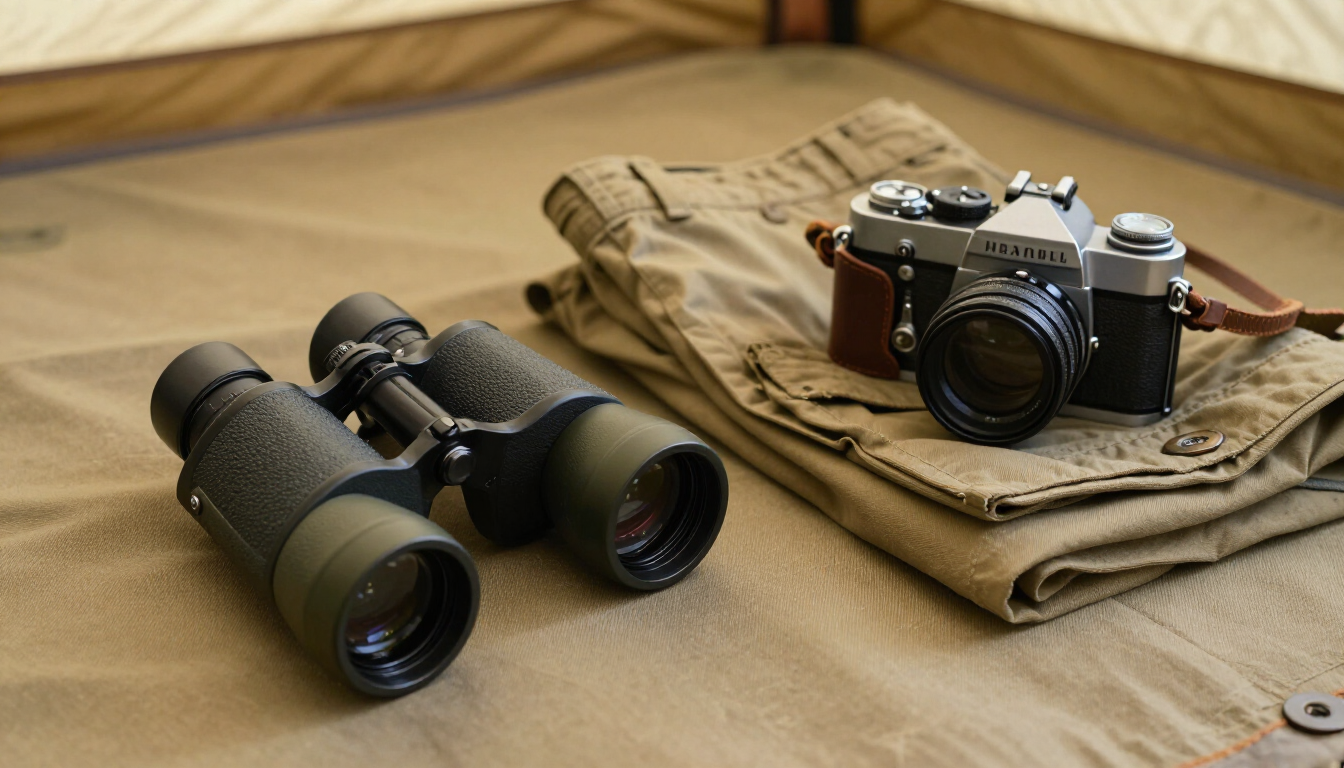
Unless you are a professional and have visited our Wildlife Photography section for specific advice, you probably don't need three camera bodies and a lens the size of a bazooka. Modern smartphones take incredible photos, and most travelers find that they spend more time fiddling with settings than actually looking at the animals.
Bringing too much gear often leads to "Gear Anxiety"—that nagging feeling that you have the wrong lens on when the cheetah starts running. A good bridge camera or a simple DSLR with one versatile zoom lens is plenty. Remember, the best camera is the one you actually know how to use.
Final thoughts on your safari packing list
In conclusion, a successful safari packing list is about minimalism and practicality. Africa is a place that strips away the unnecessary, leaving you with raw beauty and unforgettable experiences. Bringing less stuff means less stress, fewer baggage fees, and more room in your mind to soak in the sights and sounds of the wilderness. Stick to the basics: comfortable layers, earth tones, a good hat, and a sense of adventure.
Key Takeaways for a Lighter Bag:
- Swap heavy boots for light trail runners or sneakers.
- Ditch the hair tools and embrace the natural look.
- Use soft-sided bags to ensure you fit on bush planes.
- Skip the white clothes and high-fashion items.
- Focus on one or two versatile camera options rather than an entire studio.
Now that you know what not to bring, it’s time to start planning the journey of a lifetime. Check out our Tours page to find your next adventure with Girl in the Wilderness. We can’t wait to see you—and your reasonably sized bag—in the bush!