
17 Stages of Your First African Safari - A Relatable Guide
By Antje Mouton • April 12, 2026

An African safari is a transformative 17-stage emotional journey that begins with the initial thrill of booking and evolves through packing panics, 4:30 AM wake-up calls, and profound wildlife encounters. This progression takes travelers from being wide-eyed tourists to becoming deeply connected bush enthusiasts who find beauty in everything from the 'Big Five' to the smallest dung beetle.
Stage 1: The "I’m Actually Doing This" High
It starts with a click. You’ve just booked your first Women Only Safari , and suddenly, you are Indiana Jones, minus the fear of snakes and the questionable archaeological methods. Your Pinterest board is a sea of khaki, and you’ve already told the barista at your local coffee shop that you’re “going to find yourself in the Okavango.” This stage is characterized by pure, unadulterated dopamine and the belief that you will look exactly like a Meryl Streep character from Out of Africa .
Stage 2: The Great Khaki Crisis
Around three weeks before departure, reality sets in. You realize your wardrobe consists entirely of neon yoga pants and corporate black. You spend four hours in a sporting goods store trying to decide if “Stone,” “Sand,” or “Dust” is the most flattering shade of beige. You end up buying a zip-off pair of trousers that make you look like a very adventurous toddler, but hey, functionality is key when you're preparing for the African safari of a lifetime.
Stage 3: What should I pack for my first African safari?
This is the stage where you Google “do I need a pith helmet?” (The answer is no, unless you want to be the subject of many jokes at the campfire). You begin a complex mathematical equation involving weight limits on bush planes and the necessity of bringing three different types of sunscreen.
Common packing essentials often include:
- A high-quality wide-brimmed hat (not a pith helmet)
- Layers, layers, and more layers
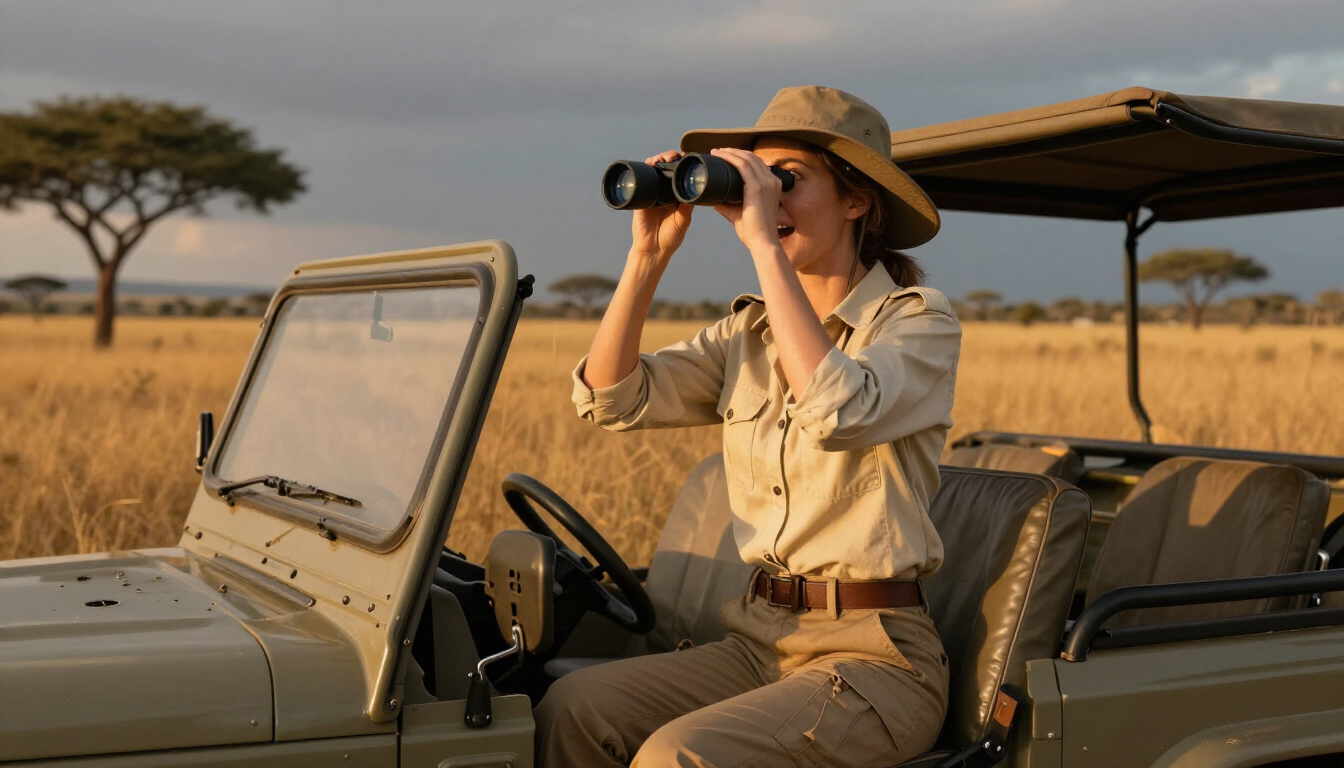
- A pair of binoculars that cost more than your first car
- Neutral-colored clothing (avoiding the dreaded Tsetse fly blue)
- A sense of humor for when your luggage inevitably feels too heavy
Stage 4: The Long Haul Hallucination
After 20 hours of flying, two layovers, and a questionable airplane meal, you reach a state of Zen-like exhaustion. You’re not entirely sure what day it is or which continent you’re on, but as the smell of wild sage hits you at the airport, your second wind arrives. You’re officially on the ground with Girl in the Wilderness , and the adventure is finally real.
Stage 5: The Bush Plane Prayer
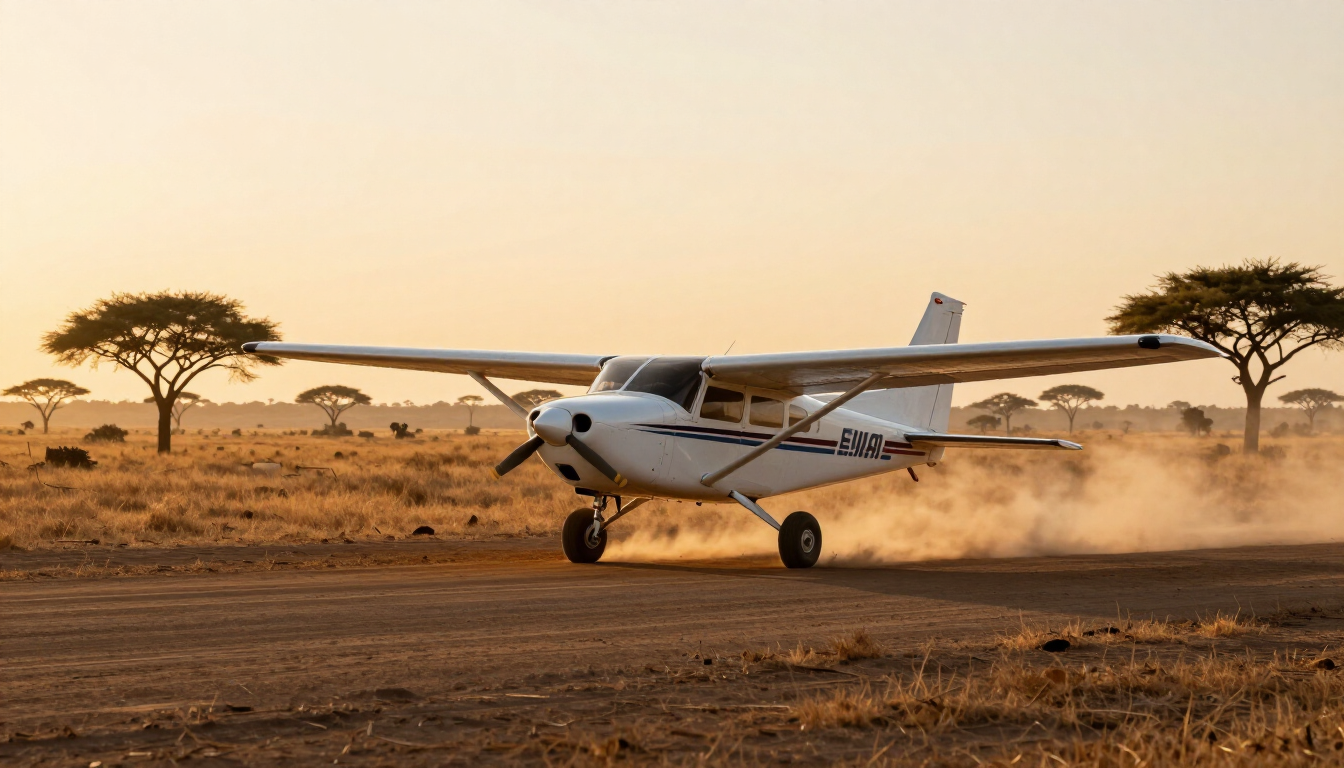
You see the plane. It’s small. It looks like it belongs on a charm bracelet. As you climb into the six-seater aircraft, you realize that the pilot is younger than your favorite nephew. This is the stage where you suddenly become very religious, or at least very interested in the mechanics of aerodynamics. Then, the plane lifts off, and you see the vast, golden expanse of the savanna below. The fear vanishes, replaced by a lump in your throat because it’s even more beautiful than the brochures promised.
Stage 6: Is 4:30 AM really necessary for a holiday?
The first morning call comes. Your guide knocks on the door with a cheerful “Jambo!” and a tray of coffee. You look at the clock and wonder if there’s been some sort of mistake. Surely the lions also want a lie-in? But as you sip your coffee in the pre-dawn chill, watching the stars fade over the horizon, you realize that the magic of the bush happens while the rest of the world is sleeping. This is the hallmark of any Solo Female Safari in Africa —finding strength in the stillness of the morning.
Stage 7: The First "Big" Sighting
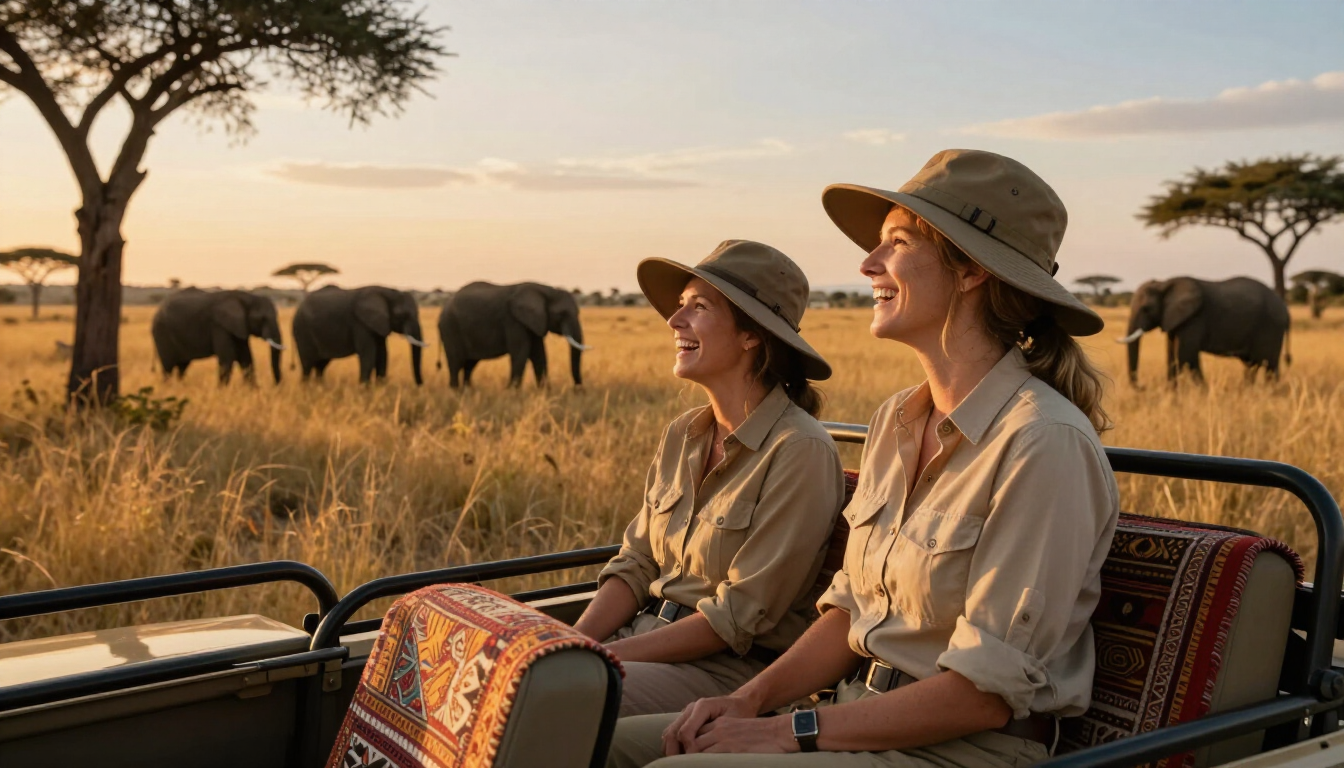
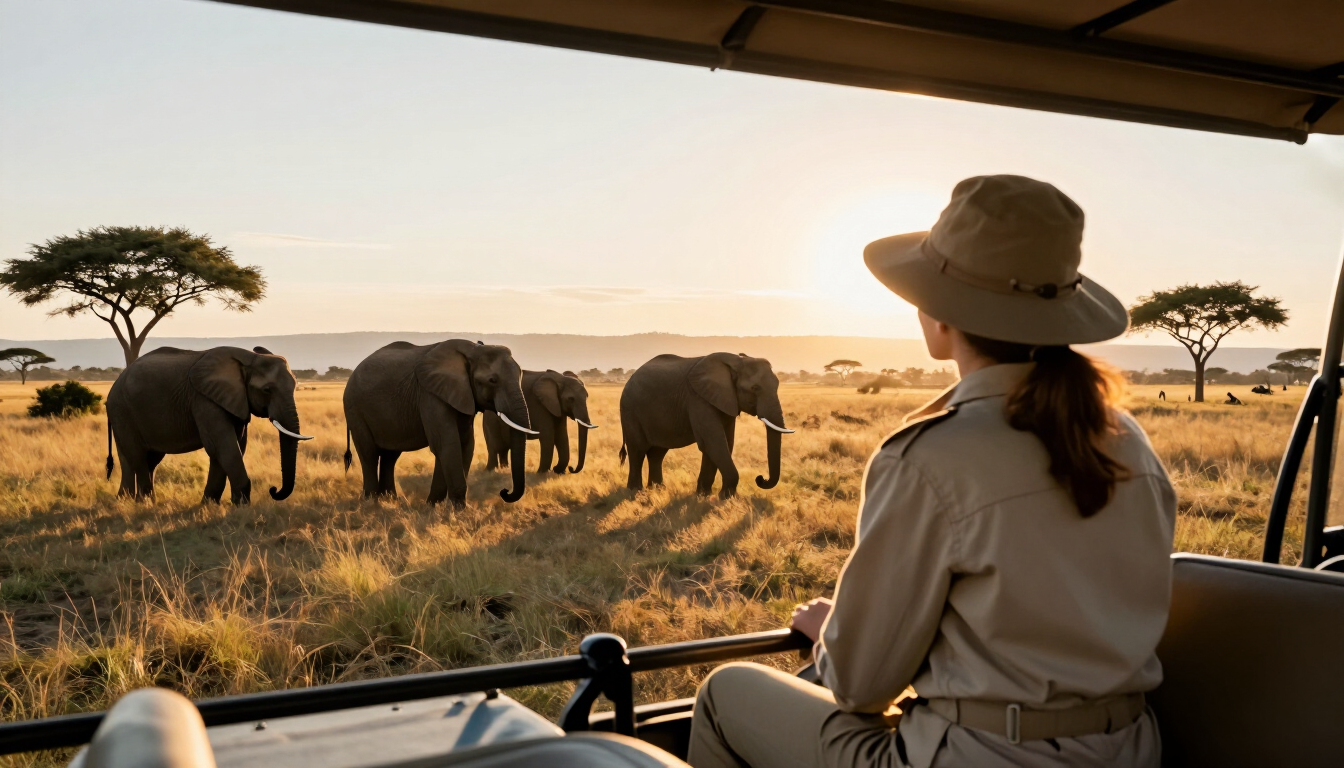
You’re on the back of the Land Cruiser, bouncing over a rutted track, when suddenly the vehicle stops. Your guide points. At first, you see nothing but grass. Then, a flick of an ear. An elephant emerges from the thicket, followed by another, and another. You forget to take a photo. You forget to breathe. You realize that seeing these creatures in the wild is nothing like seeing them on a screen. It’s visceral, humbling, and utterly life-changing.
Stage 8: The Impala Attachment
By day two, you’ve seen about 400 Impalas. At first, you were ecstatic. Now, you’re starting to give them names. You’ve noticed that one has a slightly wonky horn, and you’ve decided he’s the underdog hero of the bush. You find yourself asking the guide to stop so you can take “just one more” photo of the “McDonald’s of the bush.” You are officially becoming emotionally invested in the local herbivore population.
Stage 9: What is the "Little Five" and why am I looking at a beetle?
You came for the lions, but your guide has spent the last ten minutes explaining the intricate architectural genius of a termite mound or the life cycle of a dung beetle. Initially, you’re impatient. Then, you find yourself leaning in. You realize the African safari isn’t just about the giants; it’s about the complex, beautiful ecosystem where every creature plays a starring role. You’ve officially entered the “Nature Nerd” phase.
Stage 10: The Dust-Coated Transformation
There is a specific type of red dust that only exists in the African bush. It’s in your hair, under your fingernails, and has permanently tinted your once-pristine khaki trousers. In Stage 10, you stop trying to fight it. You embrace the “bush hair, don't care” philosophy. You realize that a layer of dust is just a badge of honor, proof that you’ve truly immersed yourself in the wilderness.
Stage 11: The Sundowner Epiphany
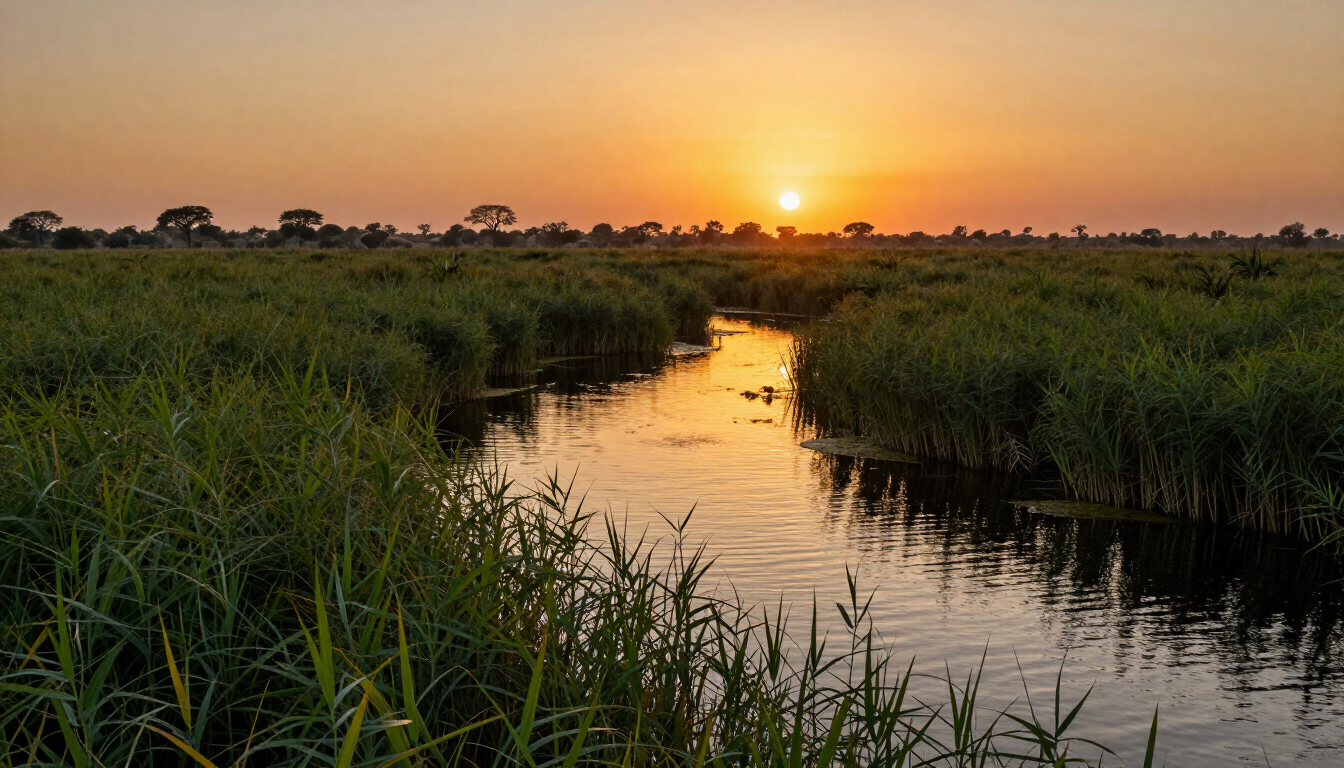
As the sun begins to dip toward the horizon, painting the sky in shades of violet and burnt orange, the vehicle stops. A table is set up with gin and tonics, biltong, and snacks. You stand in the middle of the vast plains, drink in hand, and suddenly everything clicks. The stresses of your life back home feel millions of miles away. You feel small in the best possible way. This is the moment you realize you’re never going to be the same person you were before you landed.
Stage 12: Why does everything taste better in the bush?
You’re sitting around a boma fire, the smell of woodsmoke in the air, eating a meal that would rival any five-star restaurant in London or New York. Maybe it’s the fresh air, the excitement, or the fact that you didn’t have to cook it, but the food on safari is legendary. You find yourself asking for the recipe for a traditional potjiekos, fully aware that it won't taste quite the same when you try to recreate it in your suburban kitchen.
Stage 13: The Animal Tracker Delusion
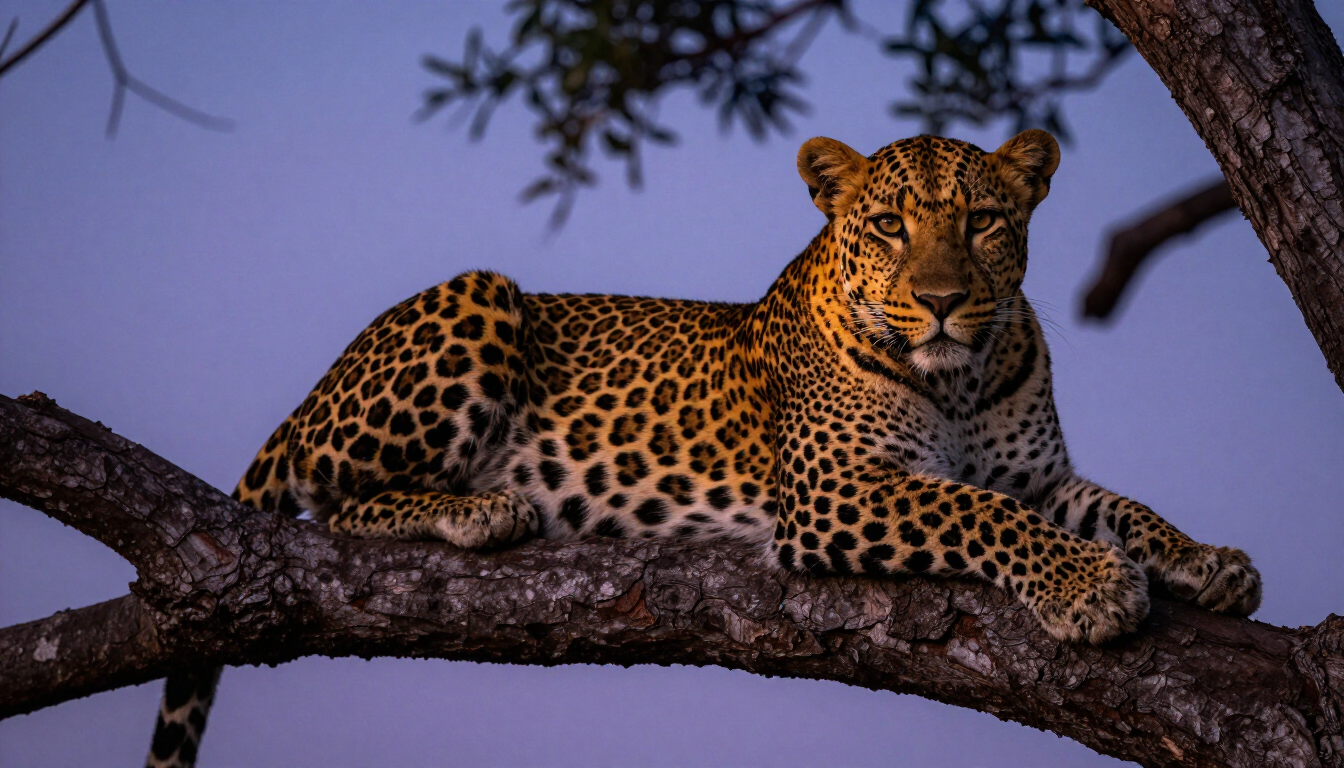
You’ve been in the bush for four days now. You’ve seen your guide identify a leopard based on a three-day-old footprint. Naturally, you now believe you possess these same skills. You point at a patch of flattened grass and whisper, “Was that a lion?” to your guide. He politely informs you it was likely where a zebra took a nap. You are undeterred. You are a tracker in spirit, if not in actual talent.
Stage 14: The Shower Sing-along
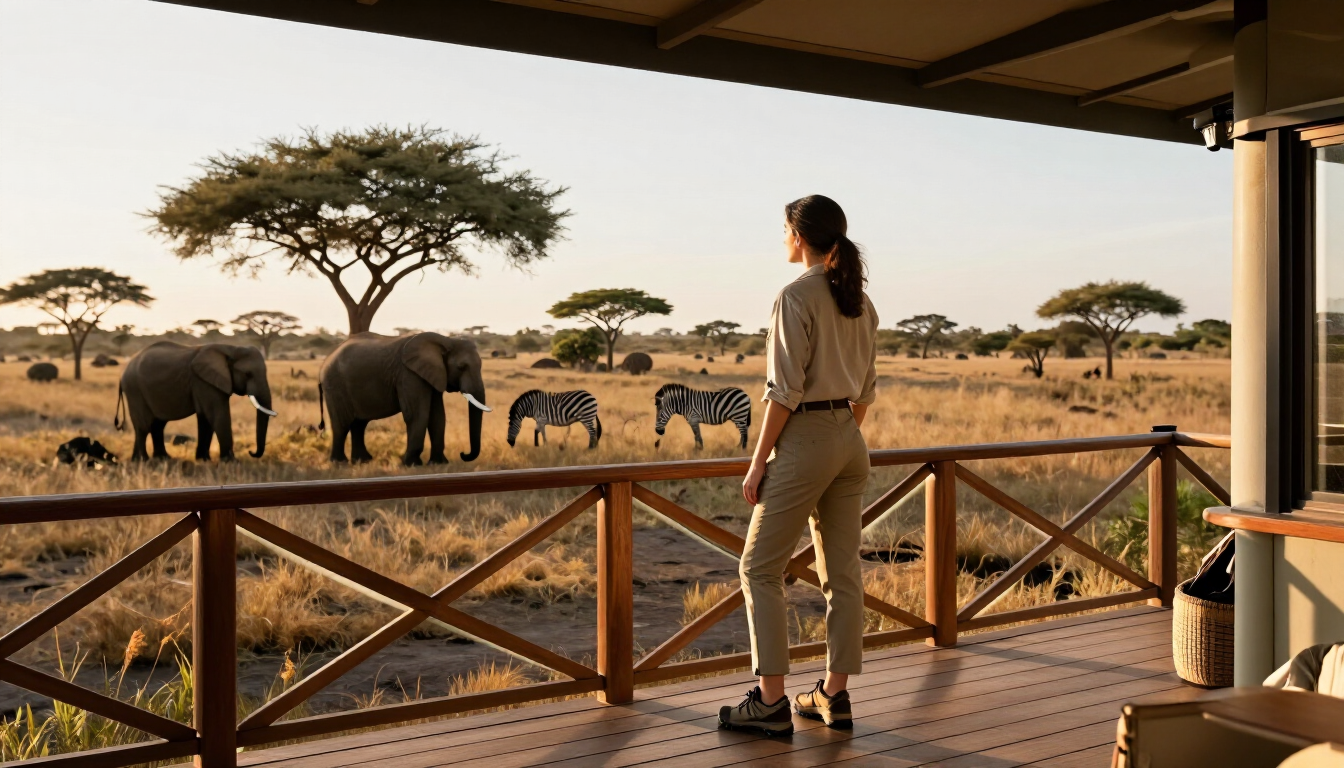
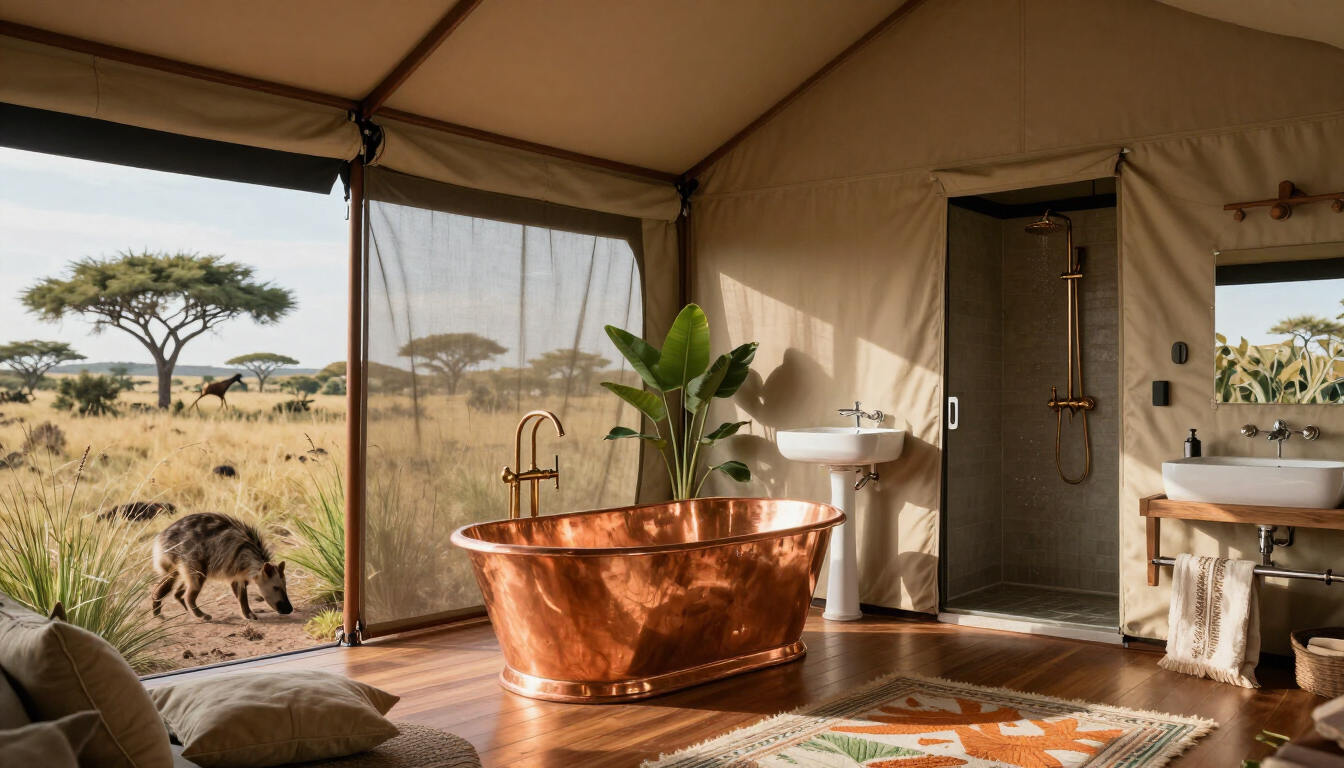
There is nothing quite like a safari shower—especially the bucket showers where the water is heated by fire. As you stand under the warm stream, looking out over the plains (and hoping a giraffe isn't peeping), you find yourself humming. You’re happy. Genuinely, deeply happy. The simplicity of the life here—sun, animals, food, sleep—has stripped away the clutter of modern existence.
Stage 15: The "I Belong Here Now" Phase
You’ve stopped checking your phone. You’ve forgotten what your boss’s emails look like. You’re seriously considering asking Antje Mouton if there are any openings for an apprentice guide who is very good at identifying wonky-horned impalas. You’ve started using terms like “the bush” and “sundowners” unironically. You are no longer a visitor; you are part of the landscape.
Stage 16: The Return to Concrete
The final morning arrives. You say goodbye to your guides with actual tears in your eyes. As you head back toward the airport, the sight of paved roads and traffic lights feels jarring. You’ve been living in a world governed by the rhythm of the sun and the movement of herds, and the “real world” feels loud, fast, and remarkably beige—and not the good kind of safari beige.
Stage 17: How do I deal with post-safari blues?
You’re home. You’re looking at your 4,000 photos and realizing that 500 of them are blurry shots of a leopard’s tail. You find yourself explaining the majesty of the dung beetle to people who just want to know if you saw a lion. This is the final stage: the eternal safari soul. You’ve already started looking at the Tours page to see where you’re going next. Africa has a way of getting under your skin, and the only cure for the safari blues is to start planning the next one.
To survive the post-safari blues, we recommend:
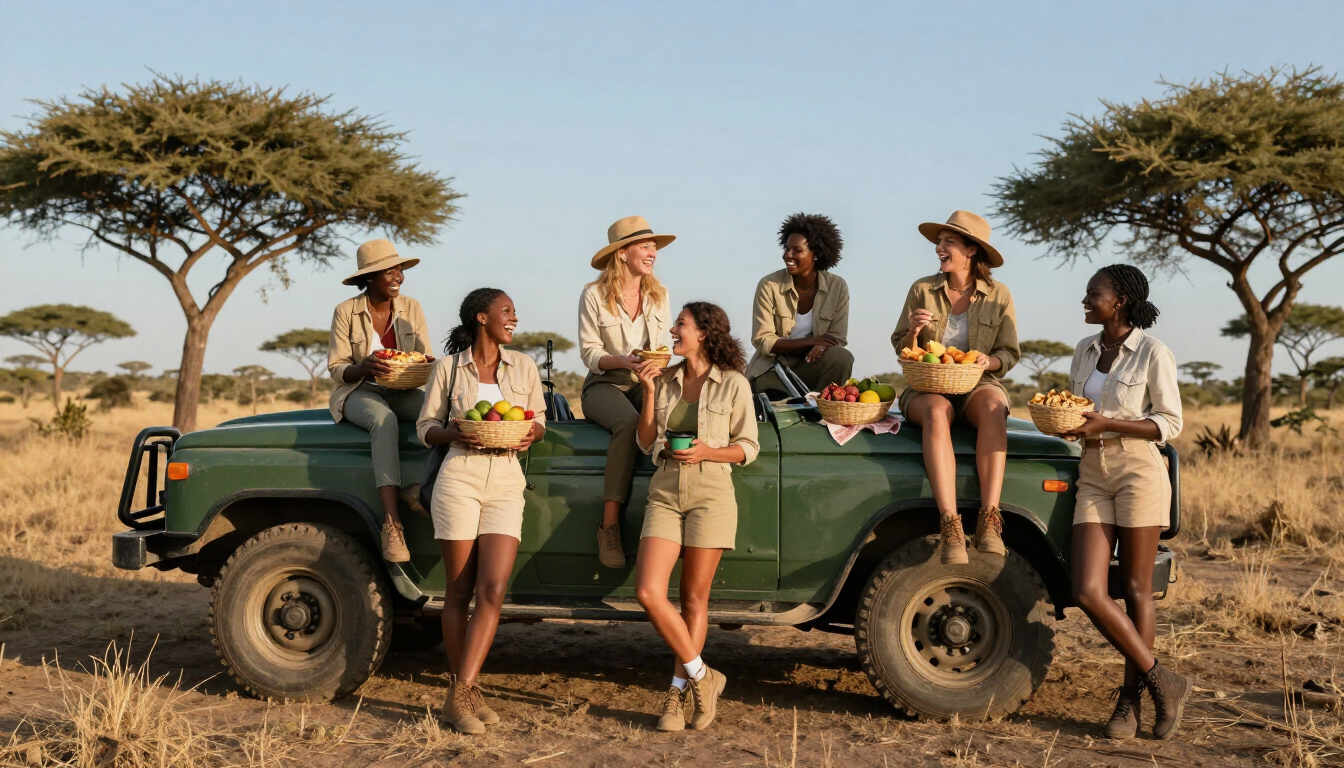
- Organizing a photo-sharing night with your safari sisters
- Following African conservation accounts on social media
- Donating to a wildlife trust to keep the connection alive
- Wearing your safari hat to the grocery store (okay, maybe not)
- Booking your next trip with Girl in the Wilderness immediately
Relatable Takeaways for Your Safari Journey
Your first African safari is an emotional rollercoaster that transforms you from a stressed-out city dweller into a nature-loving adventurer. By embracing the early wake-ups, the dust, and the unexpected beauty of the small things, you’ll gain a perspective that stays with you long after the red dust has been washed from your clothes. Whether you’re traveling solo or with a group of friends, the stages of a safari are a shared rite of passage that connects women from all over the world.
- Expect the unexpected: The best sightings often happen when you aren't looking for them.
- Embrace the schedule: 4:30 AM is worth it for the sunrise alone.
- Connect with others: The bonds formed over a campfire are some of the strongest you'll ever make.
- Pack light: You need less than you think, but more sunscreen than you imagine.