How Much Does a Solo African Safari Cost?
An African safari for a solo woman typically costs US$3,000–$12,000 for 7–10 days , depending on country, season, accommodation and travel style. Your budget usually covers lodging, meals, guides, park fees, transfers and internal flights—but single supplements, private vehicles and tips can make solo travel noticeably pricier.
What affects the African safari cost for a solo woman?
The biggest pricing factors are straightforward: where you go, when you travel and how privately you want the experience to unfold.
A solo safari is not automatically “one person pays everything.” Many camps and operators place guests into shared vehicles and small groups, spreading guide, vehicle and fuel costs across several travellers. The price rises when you request a private vehicle, exclusive guide or tailor-made itinerary.
Your final African safari cost also depends on the destination:
- Southern Africa: Botswana, Namibia, South Africa and Zimbabwe offer very different price points.
- East Africa: Kenya and Tanzania can be excellent for wildlife, migration timing and varied accommodation.
- Season: Peak wildlife periods and school holidays usually cost more.
- Comfort level: Tented camps, lodges, guesthouses and luxury suites all create different totals.
- Trip length: A longer itinerary often improves value per day, but obviously involves more days of eating, sleeping and spectacularly ignoring your inbox.
For inspiration, compare Solo Safari Tours and Solo Female Safaris in Africa before deciding what kind of trip suits you.
How much does safari accommodation cost?
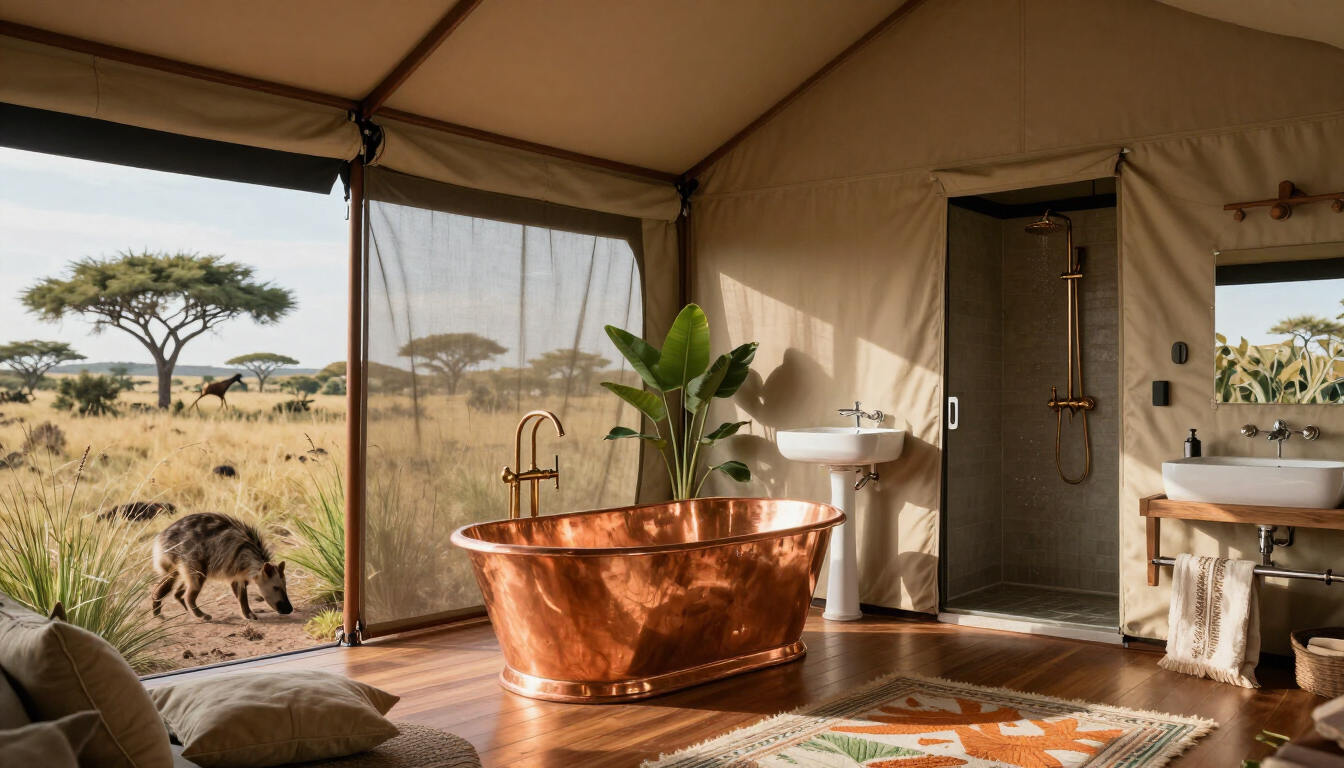
Accommodation is usually the largest part of your safari budget. Typical nightly rates per person are:
- Comfortable guesthouse or simple lodge: US$100–$250
- Mid-range safari lodge or tented camp: US$250–$600
- Premium camp or boutique lodge: US$600–$1,200
- Luxury or ultra-luxury camp: US$1,200–$2,500+
Most safari accommodation is sold on a full-board or all-inclusive basis. That commonly includes breakfast, lunch, dinner, selected drinks, guided activities and sometimes laundry. Always check the details: “all-inclusive” can mean anything from “tea whenever you like” to “your gin and tonic has its own butler.”
Remote camps may be more expensive because supplies, staff and equipment must be transported long distances. However, their location can deliver better wildlife access, fewer vehicles and a genuinely immersive experience.
If your budget is limited, mix accommodation styles. A few nights in a comfortable lodge, followed by a well-chosen tented camp, can create a memorable trip without requiring you to sell a kidney or your favourite hiking boots.
Are single supplements unavoidable on safari?
Often, yes—but not always.
A single supplement is an additional charge for occupying a room or tent designed and priced for two people. It may add 20% to 100% to the per-person accommodation rate, depending on the property and season.
Single supplements are common because the lodge still pays many fixed costs whether one guest or two guests occupy the room. The bed may be single, but the plumbing remains gloriously committed to the full room.
Ways to reduce the supplement include:
- Choosing properties with single rooms or solo-friendly pricing
- Travelling during shoulder or low season
- Joining a small group or women-only departure
- Sharing a room with another solo traveller, if comfortable
- Asking an operator to negotiate a reduced or waived supplement
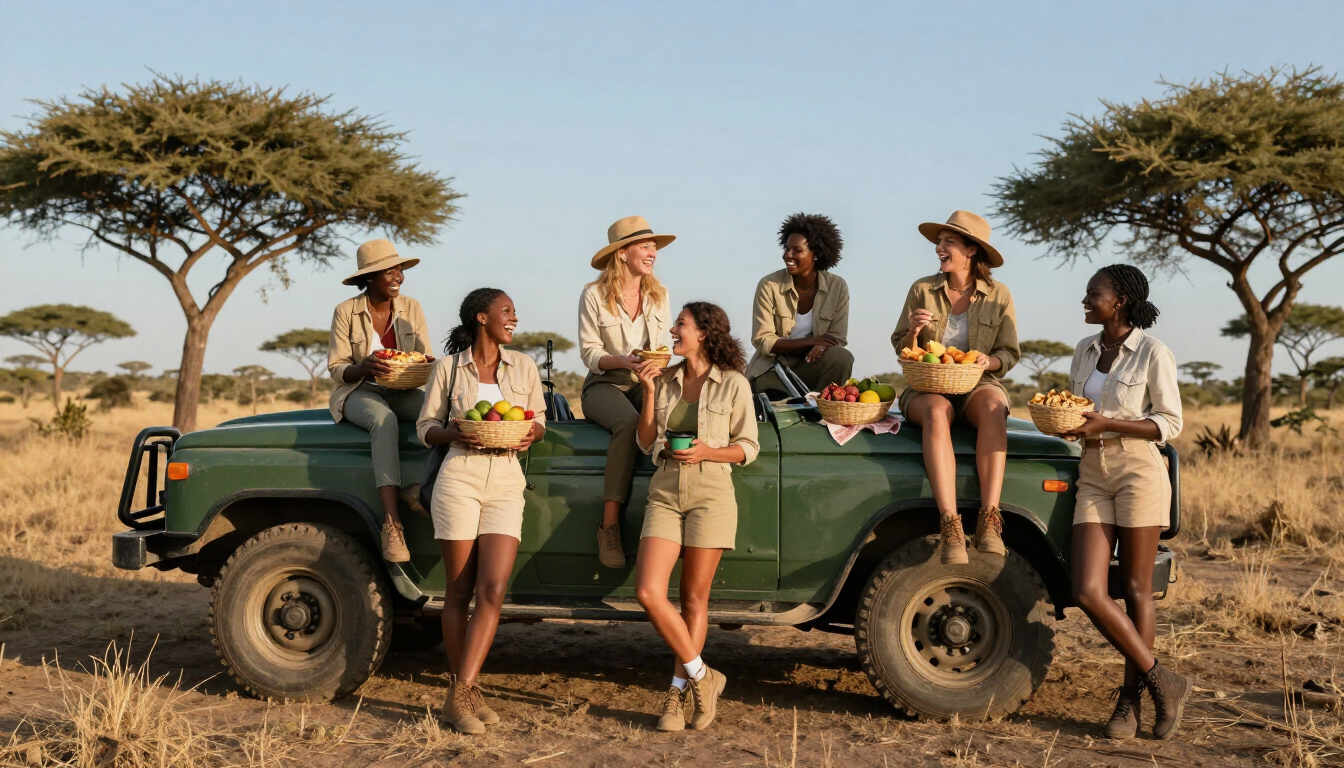
A specialist company can also match you with compatible travellers, so “solo” does not have to mean “alone at every meal.” Explore Women Only Safaris for itineraries designed around shared experiences and practical comfort.
What do park fees and conservation charges cost?
Park fees commonly range from US$30 to US$100 or more per person per day , although premium parks and private conservancies can cost substantially more. Children, residents and citizens may have different rates.
Your quote may include some or all of the following:
- National park entry fees
- Private conservancy fees
- Vehicle or concession fees
- Camping or conservation levies
- Walking safari or specialist activity fees
- Government taxes and tourism levies
Park fees can be charged per 24 hours, calendar day or night, so the calculation is not always intuitive. Ask whether fees are included in the package price and whether they apply on arrival, departure or both.
Private conservancies can cost more than public parks, but they may offer advantages such as night drives, walking safaris, fewer vehicles and more flexible routes. The cheapest park-fee line is not automatically the best wildlife value.
How much do transfers and internal flights add?
Transfers and internal flights can add US$300–$1,500 or more to a trip, depending on distance and routing.
A road transfer may cost less and reveal villages, landscapes and roadside life along the way. It can also take several hours on roads that seem to have been designed by someone holding a grudge against suspension systems.
Small charter flights are faster and particularly useful between remote camps. Typical costs vary widely, but a short regional flight may be US$200–$500, while multiple sectors across a larger itinerary can add considerably more.
Budget for:
- Airport transfers
- Domestic or regional flights
- Baggage fees and weight limits
- Private road transfers
- Overnight accommodation near airports
- Visa, arrival or departure charges where applicable
A good itinerary balances flights and road travel instead of automatically choosing the cheapest transfer. Saving money is less exciting when it turns a two-hour journey into an all-day expedition with no wildlife sightings and a seat shaped like a question mark.
When does a private vehicle make sense for one traveller?
A private vehicle gives you more control over departure times, photography stops, route choices and the general rhythm of the day. It can add US$300–$1,000 or more per day , depending on the destination, vehicle and guide.
It may be worthwhile if you:
- Want dedicated photography time
- Prefer a slower, quieter itinerary
- Have specific wildlife or birding interests
- Need accessibility or dietary flexibility
- Dislike sharing your vehicle with someone who shouts “there!” at every antelope
A shared vehicle is usually the better value for a first safari, especially if the group is small and the operator manages compatibility carefully. You can also combine approaches: shared drives at one camp and a private vehicle for a key photography or migration day.
Read the Safari Guide for Women for practical advice on packing, safety, comfort and choosing the right travel style.
How much should you budget for tips?
Plan on approximately US$15–$30 per guest per day for general camp staff and US$10–$25 per guest per day for a guide, depending on local custom, service level and group size. Specialist guides, private staff and exceptional service may justify more.
Tipping practices differ across Africa, so request a destination-specific guideline before travelling. Some lodges use a communal tip box; others recommend tipping guides, trackers, porters and housekeeping staff separately.
Carry clean, usable cash in the appropriate currency where possible. Tips should reward good service, not create financial anxiety. Nobody needs to calculate a gratuity while a leopard is providing a once-in-a-lifetime presentation.
A practical solo safari budget
For a 7–10-day trip, these broad totals are useful planning ranges:
- Value-conscious: US$3,000–$5,000
- Comfortable mid-range: US$5,000–$8,000
- Premium: US$8,000–$12,000
- Luxury: US$12,000–$25,000+
These figures may exclude international flights, visas, travel insurance, vaccinations, personal shopping and optional activities. Request a quote with every inclusion clearly listed rather than relying on a headline price.
When comparing proposals, check the number of nights, accommodation basis, vehicle arrangement, park fees, flights, transfers, meals, drinks, taxes and single supplement. Two itineraries with the same total price can offer dramatically different experiences.
Frequently asked questions
Is an African safari more expensive for solo travellers?
It can be, mainly because of single supplements and private vehicle costs. Joining a small group, travelling in shoulder season and selecting solo-friendly accommodation can substantially reduce the difference.
What is the cheapest African country for a solo safari?
There is no universal answer because flights, season, accommodation and itinerary length change the total. South Africa and parts of Namibia can offer accessible options, while Kenya, Tanzania and Botswana range from mid-market to ultra-luxury.
Are safaris safe for women travelling alone?
A professionally organised safari can be a safe and comfortable option for solo women. Choose reputable operators, follow camp guidance, use arranged transfers and review the destination-specific advice before booking. Contact Girl in the Wilderness to discuss your priorities.
The bottom line
The African safari cost for a solo woman is usually US$3,000–$12,000 for 7–10 days , with luxury journeys reaching far higher. Accommodation, park fees, transport, internal flights, private vehicles, tips and single supplements all shape the final figure. To get the best value, compare complete itineraries rather than nightly rates, consider shoulder season and decide where sharing is comfortable. Your next step is to choose a destination, preferred comfort level and travel dates, then request a transparent quote that lists every inclusion and extra. That way, your biggest surprise can be a lion—not an invoice.