How to Choose a Solo Safari Lodge (7 Checks)
A solo safari lodge should make it easy to meet people, feel secure and enjoy flexible wildlife experiences without sacrificing privacy. When choosing one, assess its communal atmosphere, shared-drive policy, dining arrangements, room location, camp size, transfer logistics and experience welcoming independent travellers especially women travelling alone.
What makes a safari lodge good for solo travellers?
The best safari lodge for a solo traveller is not necessarily the most luxurious or remote. It is a place where the social setup feels natural, the practical details are handled well and you can choose between company and quiet time.
A thoughtful lodge should offer:
- Shared game drives that do not leave solo guests paying for a private vehicle
- Communal meals or an easy way to meet other guests
- Helpful hosts and guides who include independent travellers
- Safe, clearly organised transfers from the nearest airport or airstrip
- Accommodation that balances privacy with a sensible location
This is particularly important on a solo safari tour , where the lodge becomes more than a bed for the night. It is your dining room, social hub, base for activities and often your first point of local support.
1. Is the lodge genuinely welcoming to solo guests?
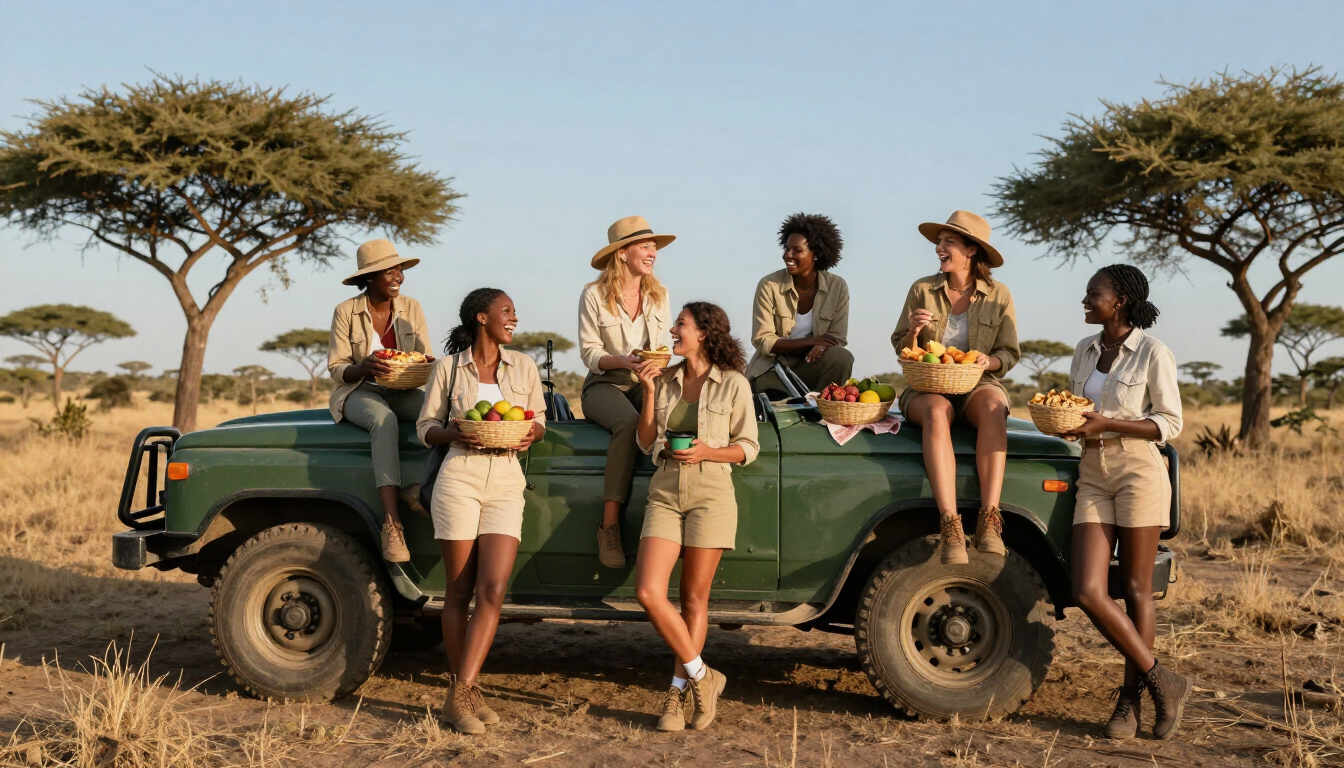
Ask how often the lodge hosts solo travellers and whether staff actively help guests connect. A friendly answer should be specific. For example, the lodge might seat guests together at dinner, introduce people arriving on the same transfer or arrange shared activities based on interests.
Be cautious if the sales information focuses only on couples, honeymooners or private villas. Romance is wonderful, but watching everyone else celebrate an anniversary while you eat breakfast beside a decorative heart can become less charming by day three.
Look for signs of a naturally social environment:
- A host, manager or guide who joins guests at meals
- Smaller communal dining tables rather than isolated two-person settings
- A lounge, firepit or bar where guests can gather
- Reviews mentioning warm staff and easy conversation
- Flexible activities rather than a rigid couples-focused schedule
You should never be pressured to socialise. The ideal lodge simply makes it comfortable if you want to.
2. How do shared game drives work?
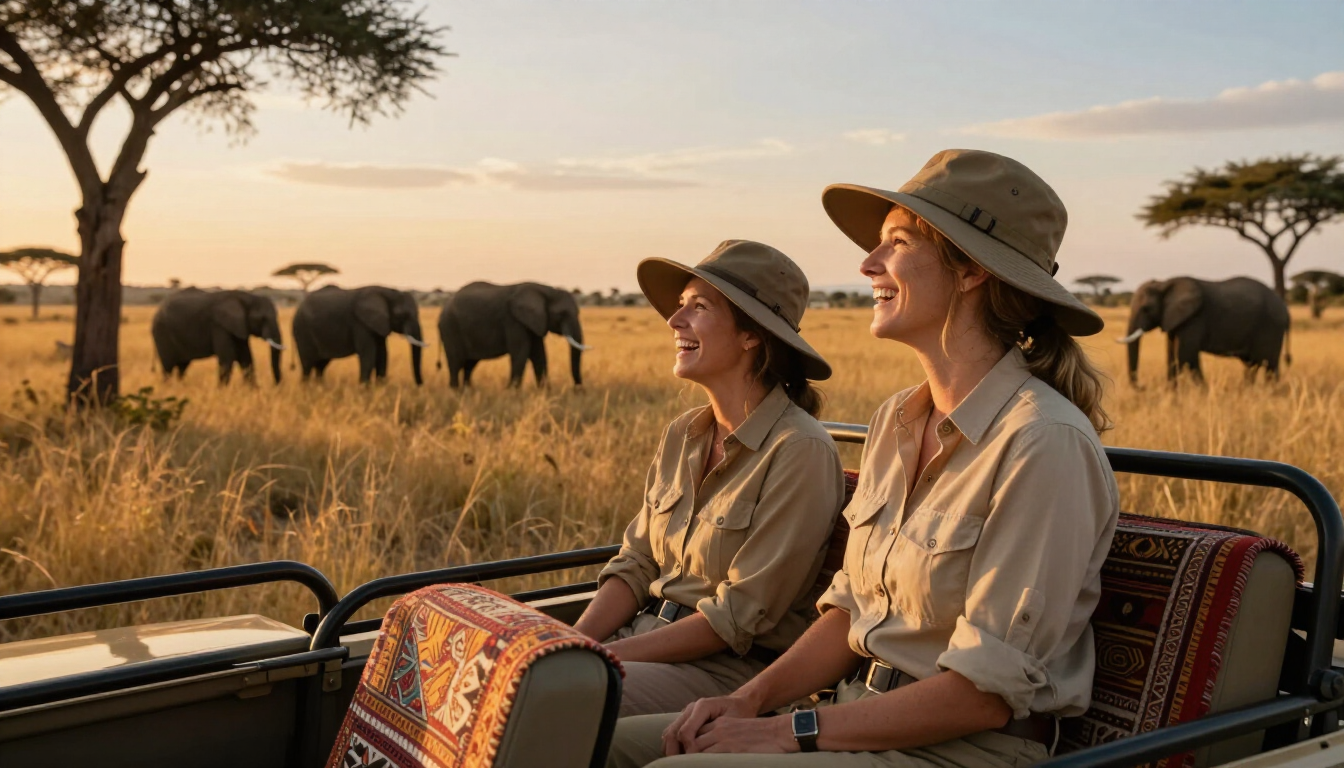
Game drives are central to the safari experience, so confirm the arrangements before booking. Ask whether solo guests join scheduled shared drives, how many passengers travel in each vehicle and whether the lodge charges a supplement for a private vehicle.
A shared drive can be one of the easiest ways to meet fellow travellers. It also spreads the cost of the vehicle and guide. However, “shared” does not always mean small or sociable, so check the details.
Questions worth asking include:
- How many guests fit in a vehicle?
- Are drives grouped by language, age or interests where possible?
- Can guests request a quieter or more photography-focused vehicle?
- What happens if no other guests want to drive at the same time?
- Is a private vehicle optional, or effectively required?
If wildlife photography matters to you, ask about seat access, window arrangements and whether the guide is comfortable allowing time for careful composition. You can also explore this photography guide before deciding what setup suits you.
3. What is the dining setup like?
Dining is one of the clearest indicators of whether a lodge works well for solo travel. Ask whether meals are communal, hosted or served privately in each room or tent. None of these options is automatically right or wrong; the best choice depends on how much interaction you want.
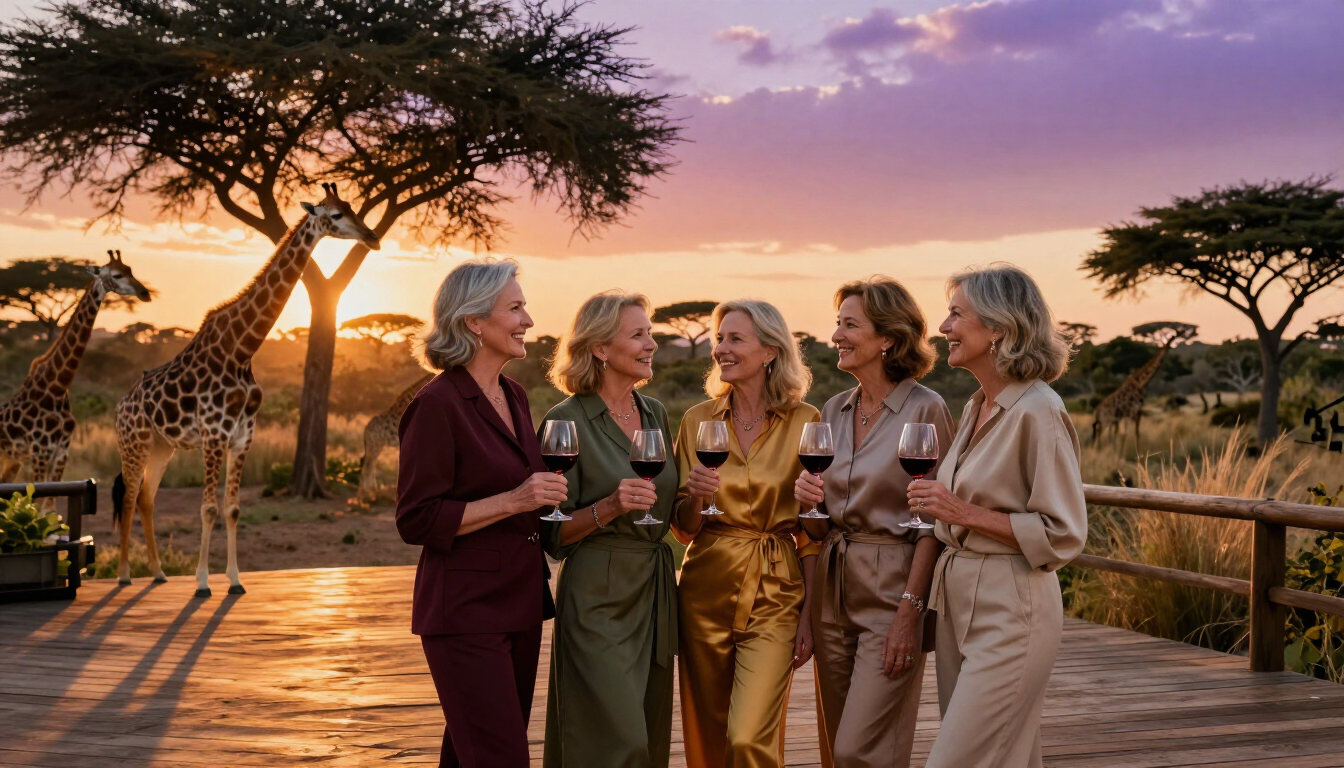
Communal meals are usually ideal for meeting other guests, particularly when the lodge has fewer than 20 rooms. A host may seat people together, explain the next day’s activities and help conversations move beyond the classic “Where are you from?”
Private dining can be lovely after a long day, but it may feel isolating if it is the only option. Ask whether you can choose. A good lodge might offer:
- Breakfast at a shared table
- Lunch with other guests after a morning drive
- Dinner around a long table or beside a campfire
- Private dining on request
- A host who checks in without hovering
If you are travelling as part of a women-only safari , ask how the lodge accommodates the group while still giving you personal space.
4. Where should your room be positioned?
Room location affects comfort, safety and the overall feel of your stay. Ask for accommodation close to the main lodge if you want easy access to meals and other guests. If you prefer peace, a more distant room may suit you—but confirm how you will move around after dark.
A well-run lodge should have a clear night-movement policy. Depending on the destination and wildlife, you may need an escort between your room and the main area. This is normal in a bush setting, not a sign that you have accidentally checked into a horror film.
Check these details:
- Is an escort available whenever needed?
- Are rooms connected by lit paths or natural bush tracks?
- Can staff reach your room easily in an emergency?
- Is the room near generators, kitchens or busy walkways?
- Does the door lock securely from inside?
The right room is the one that lets you sleep well and move confidently—not necessarily the one with the longest walk to the swimming pool.
5. Does camp size match your travel style?
Camp size shapes the social experience. A small camp can feel personal and make it easier to recognise other guests, guides and staff. A larger lodge may offer more facilities, dining choices and activity options, but it can also feel less intimate.
Choose a smaller camp if you want:
- A quieter, more personal atmosphere
- Consistent contact with the same guide and staff
- Easier conversations with fellow guests
- A strong sense of place and fewer distractions
Choose a larger lodge if you value:
- More dining and leisure facilities
- A greater chance of meeting other travellers
- Several activity options each day
- More flexibility if you do not want a fixed routine
There is no universal best camp size. Consider whether you recharge through conversation, solitude or a mixture of both. Most solo travellers want both—and preferably not on alternate days according to a timetable.
6. How reliable are transfers and arrival arrangements?
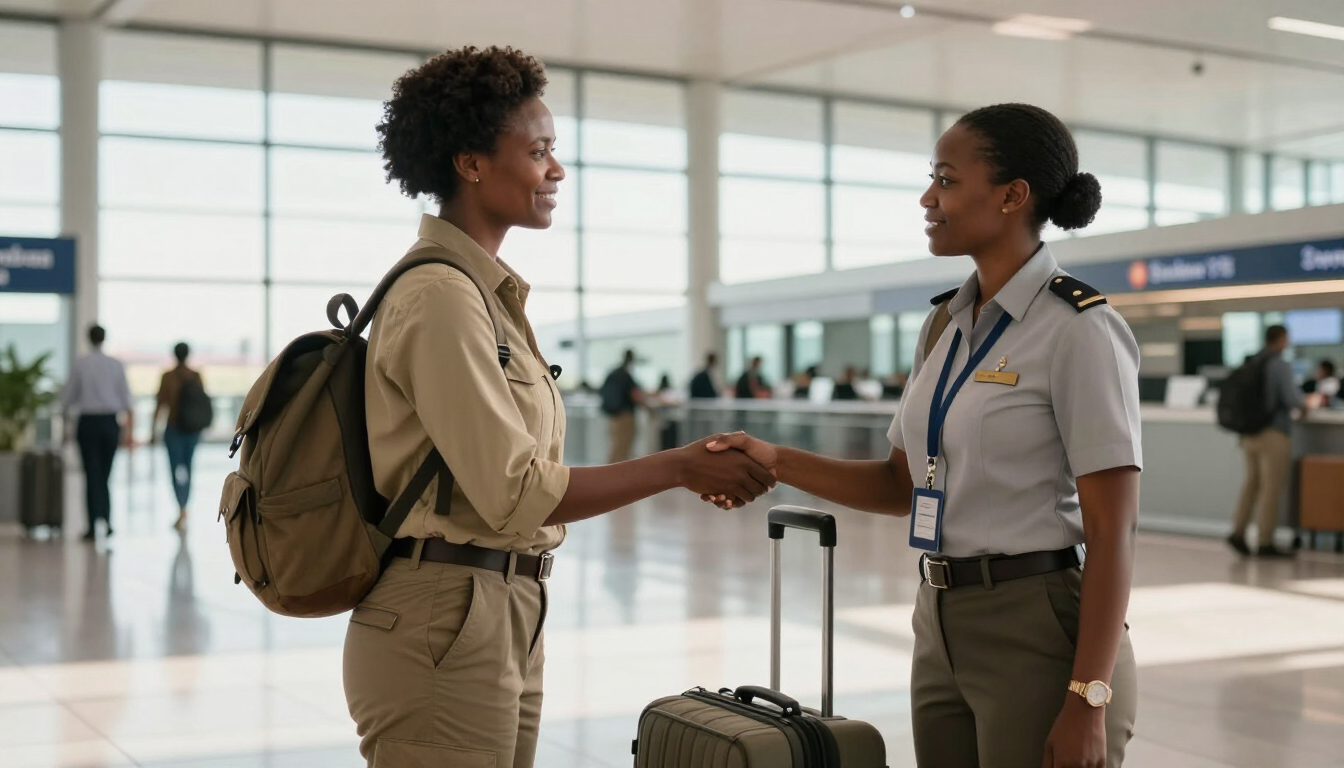
Transfers deserve as much attention as the lodge itself. Solo guests should know exactly who will meet them, where they will wait and how long the journey will take. This is especially important when connecting through a small airstrip or travelling between remote camps.
Before booking, confirm:
- The airport, airstrip or meeting point
- The name of the transfer operator
- Whether transfers are shared or private
- Approximate travel time and road conditions
- What happens if a flight is delayed
- Whether luggage limits apply
A lodge that communicates these details clearly is usually demonstrating good operational care. Ask whether you will be accompanied from arrival to check-in, and whether staff can assist with onward travel.
For broader planning, the Safari Guide for Women covers practical considerations that are easy to overlook when building an itinerary.
7. What should you ask before booking?
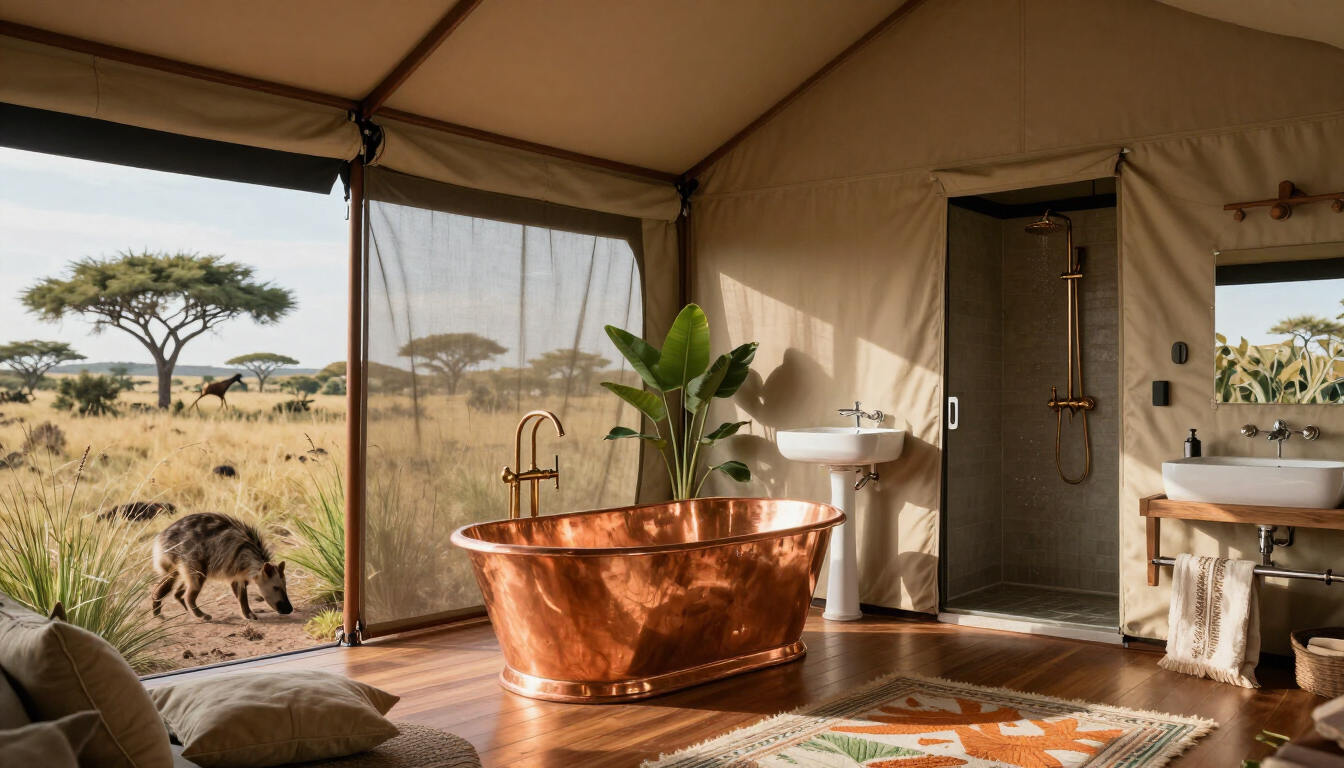
Use this short checklist when comparing lodges. A helpful operator should answer directly rather than sending you a brochure containing twelve photographs of a bathtub and no information about transfers.
- How are solo guests included at meals and activities?
- What is the shared-drive policy and maximum vehicle size?
- Is there a single supplement, and what does it cover?
- How are guests escorted after dark?
- What happens if I want company—or quiet time?
Pay attention not only to the answers but also to how quickly and confidently they are provided. Clear advice often matters more than a glossy website.
The best lodge is the one that fits you
Knowing how to choose a safari lodge when travelling alone comes down to fit, not prestige. Prioritise a welcoming social atmosphere, fair shared-drive arrangements, comfortable dining, sensible room positioning, suitable camp size and dependable transfers. Then decide how much privacy and connection you want each day.
Start by comparing two or three lodges using the same questions, and be honest about your travel style. If you want expert help matching the details to your itinerary, explore solo female safaris in Africa or contact Girl in the Wilderness for tailored guidance.