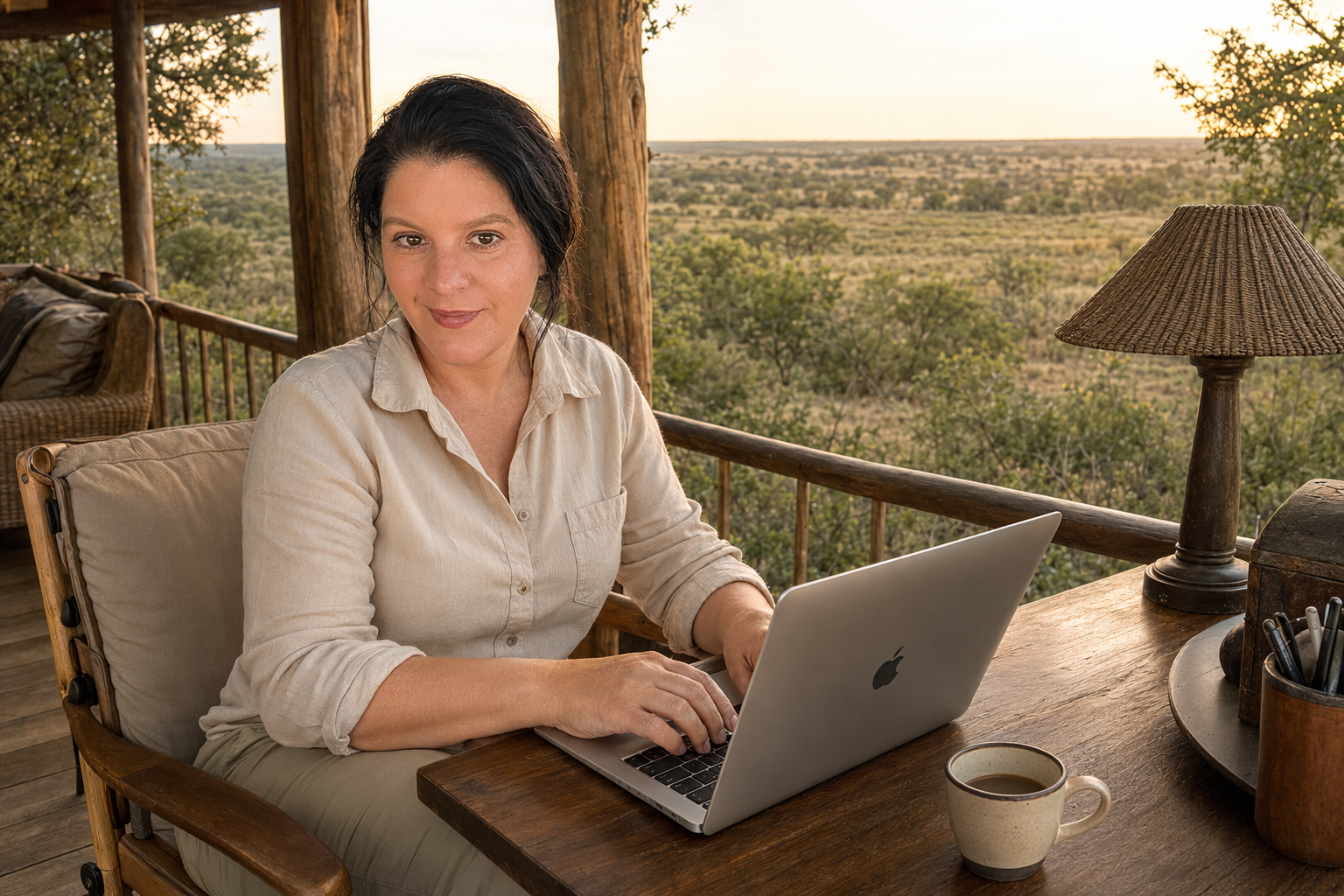
What Years of Guiding Women in Africa Have Taught Me
By Antje Mouton • July 24, 2026
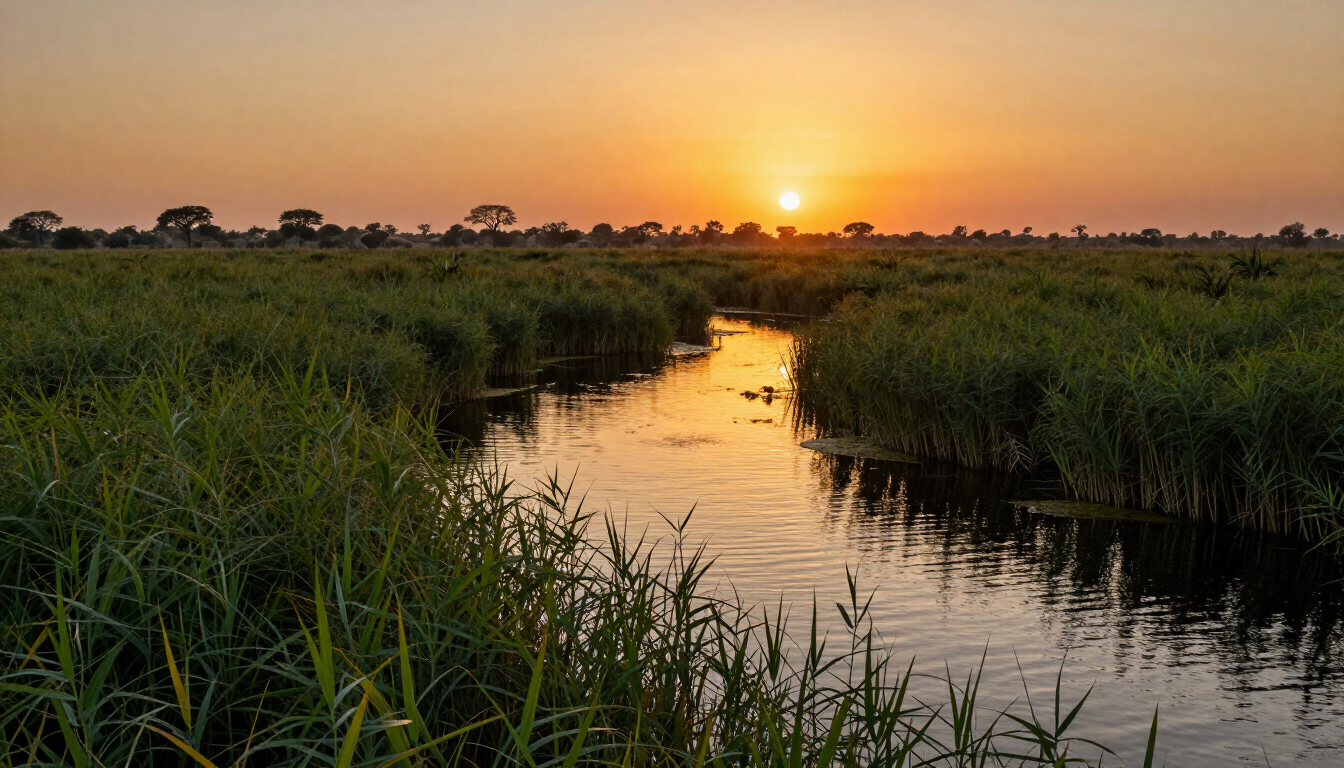
I always leave a safari with an absolute sense of awe
I have been leading journeys and travelling with women through Africa since 2011. In that time, I have learnt a great deal about wildlife, logistics, human nature and the astonishing number of ways an airline can separate a woman from her luggage.
I have learnt that elephants can appear without making a sound, that lions are frequently less interested in us than we would like to believe, and that “just around the corner” means something entirely different in Africa.
But the most important lessons have not come from the animals.
They have come from the women.
They have come quietly, over early morning coffee and long drives. Around campfires. In airport queues. During conversations whispered in the darkness when the rest of the camp has gone to sleep.
They have come from women who arrived carrying carefully packed suitcases and invisible burdens. Women who were celebrating something, grieving something, escaping something or trying to remember who they were before life became a long list of responsibilities.
Guiding women in Africa has taught me that a safari is very rarely just a holiday.
Sometimes, it is the first breath a woman has taken for herself in years.
Every Woman Arrives With More Than Her Luggage
You can learn a great deal about someone from the way she arrives.
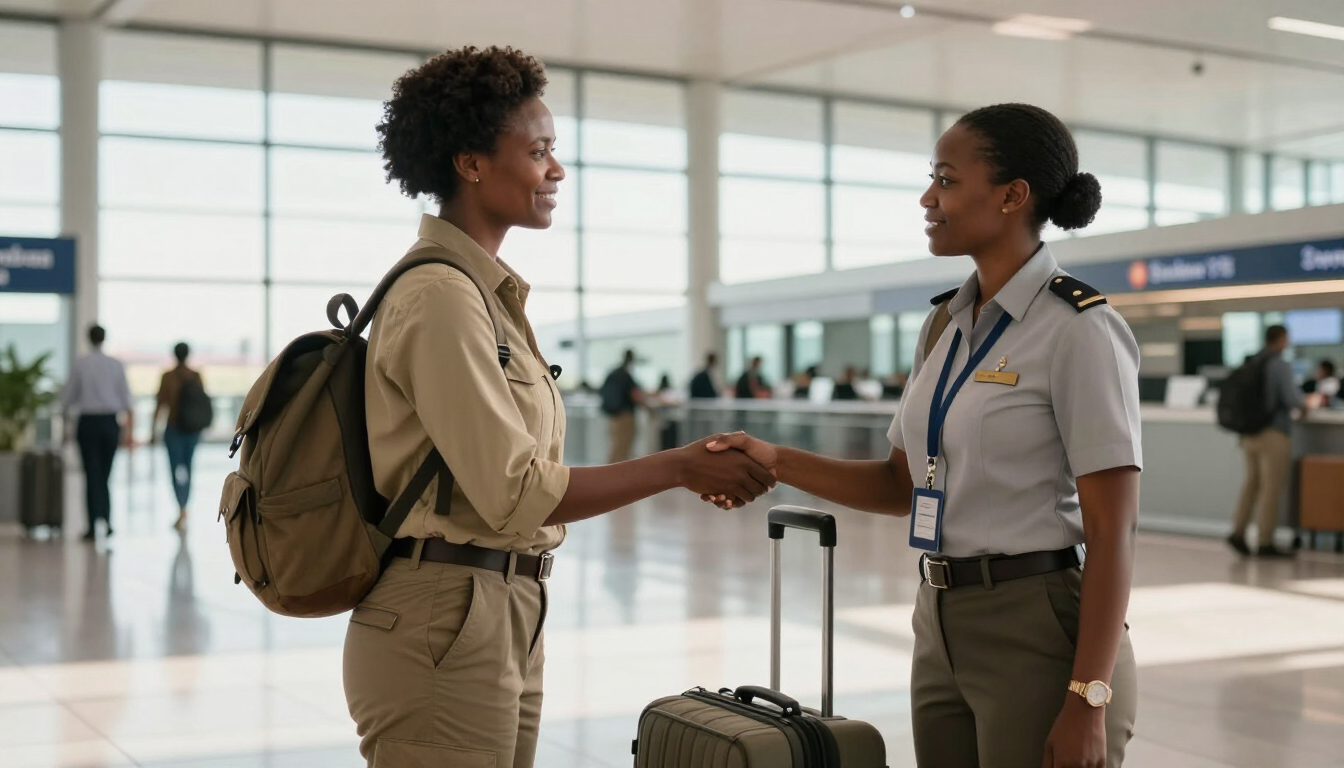
Some women step off the aircraft buzzing with excitement, ready to photograph everything from the baggage carousel to the first mildly interesting tree.
Some arrive anxious. They have reread the packing list 47 times and are still worried they have forgotten something essential. Usually, they have forgotten nothing. They are travelling with enough medication, chargers and emergency snacks to support a minor expedition.
Others arrive quietly.
They smile. They say they are fine. They insist they do not need any help.
Over the years, I have learnt that “I’m fine” can carry an enormous amount of weight.
Women arrive in Africa after divorces, bereavements, illnesses, children leaving home, careers ending and identities shifting beneath their feet. Some come after years spent caring for everyone except themselves. Some have simply reached a point where they know that if they keep waiting for somebody else to travel with them, they may never go at all.
They do not always tell me these things immediately.
Sometimes they tell me on the second day. Sometimes on the last evening. Sometimes the truth appears slowly, in pieces, between discussions about elephants and what time we need to leave in the morning.
And sometimes they never tell me.
That is all right too.
Guiding has taught me that I do not need to know every detail of a woman’s story to treat it with care.
Courage Does Not Always Look Dramatic
Before I began guiding women, I think I understood courage in the obvious way.
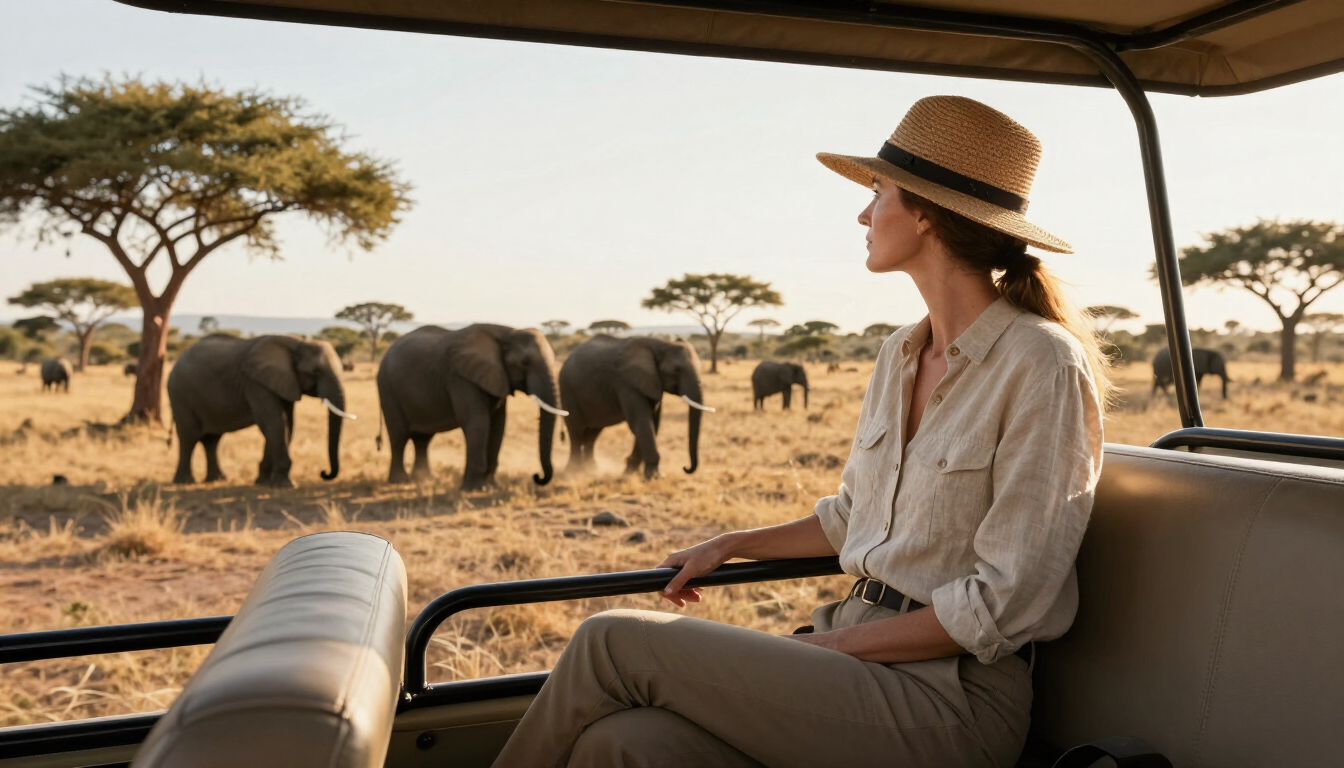
Courage was walking in the bush. Flying in a tiny aircraft. Sitting quietly while an elephant stood close enough for us to hear it breathe.
Those things do require courage. Especially the small aircraft, which are apparently held together by optimism, rivets and the pilot’s unwavering confidence.
But I have since learnt that the deepest courage is often much less visible.
It is the woman who books the journey even though she has never travelled alone.
It is the woman who gets onto the plane despite being terrified.
It is the woman who admits she is frightened instead of pretending she is not.
It is the woman who asks for help.
It is the woman who has spent decades being somebody’s wife, mother, daughter, colleague or carer and is suddenly faced with the uncomfortable question: who am I when nobody needs anything from me?
I have watched women arrive convinced that they are not adventurous, not brave and not “the sort of person” who goes to Africa.
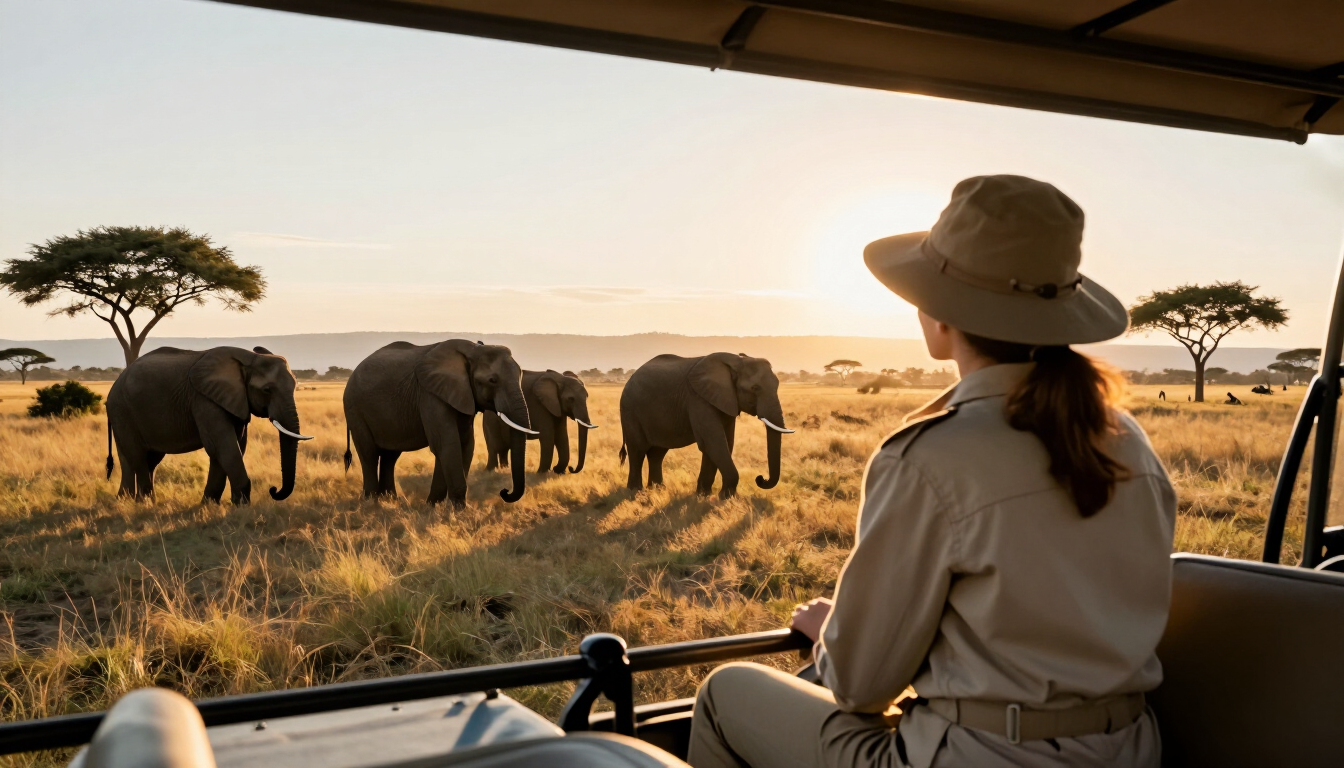
Then I have watched them climb into safari vehicles before dawn, cross borders, meet strangers, sleep with lions calling beyond the canvas and laugh when things do not go according to plan.
I have watched fear become curiosity.
I have watched uncertainty become confidence.
Not the loud, performative confidence that demands to be noticed. Something quieter and far more powerful. The confidence of a woman discovering that she can trust herself.
Women Do Not Need to Be Rescued
There is a persistent idea that a woman travelling alone is vulnerable, lonely or somehow waiting for her life to begin when the correct person arrives.
Years of guiding women have taught me the opposite.
Women do not need to be rescued. They need accurate information, thoughtful planning, a safe environment and the freedom to make their own choices.
Safety matters deeply to me. I will never romanticise it away with breezy promises that everything will be fine. Africa is not a theme park, and travel is never entirely without risk. Women deserve honest guidance about where they are going, what to expect and how their journey has been planned.
But protecting women should never mean making them feel powerless.
There is a difference between being cared for and being controlled.
My role is not to wrap women in cotton wool and steer them through Africa as though they might break. It is to create the kind of journey in which they feel secure enough to be fully present.
To ask questions.
To try.
To change their minds.
To say no.
To take up space.
And, occasionally, to have a second gin without needing to justify it to anybody.
The Wilderness Does Not Care Who You Are Supposed to Be
At home, we are surrounded by expectations.
Be successful, but not intimidating. Be independent, but not difficult. Be attractive, but appear not to have tried. Age gracefully, which often seems to mean ageing without allowing anybody to notice.
It is exhausting.
The wilderness is refreshingly unimpressed by all of it.
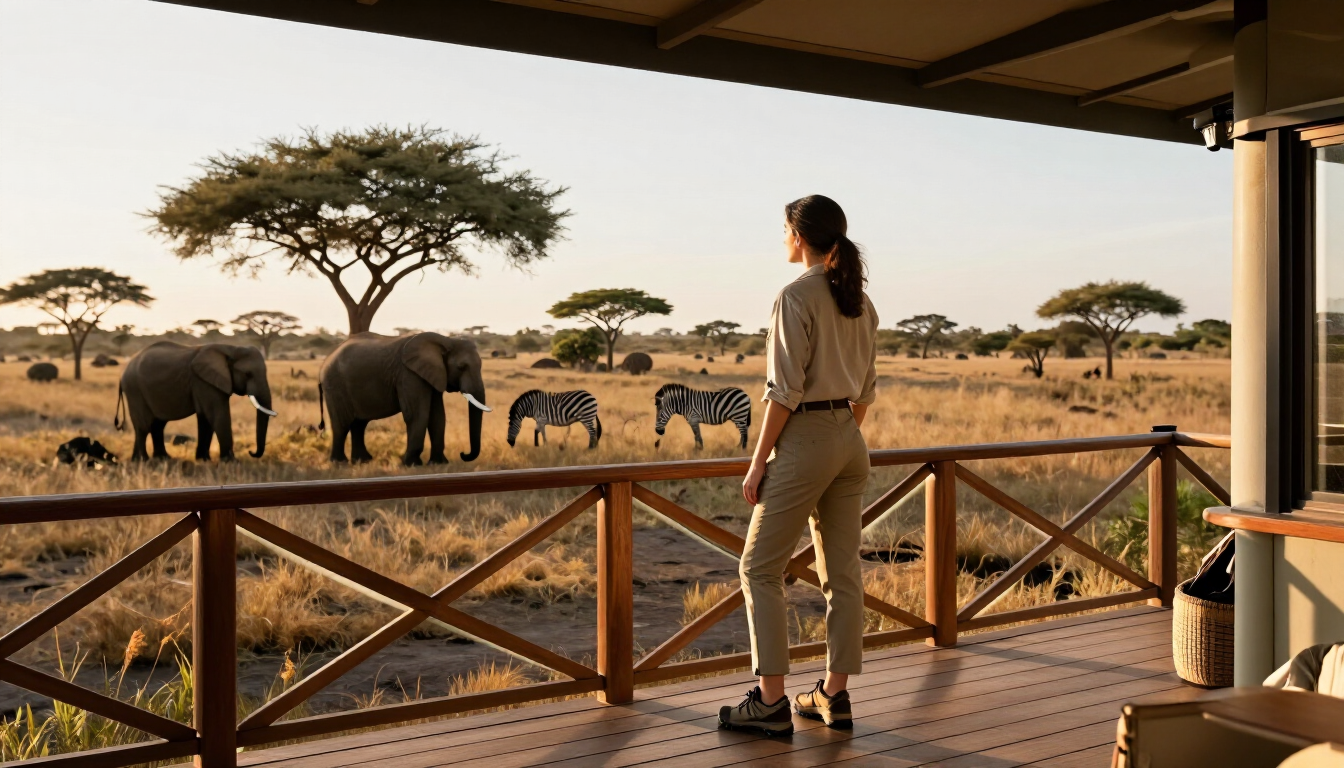
An elephant does not care what size your trousers are. A leopard is indifferent to your job title. A lioness is not remotely interested in whether you answered your emails before setting your out-of-office reply.
Africa has a way of reducing life to what is real.
Are you warm enough? Are you listening? Did you see that movement in the grass? Would you like another cup of coffee?
The rest begins to fall away.
Hair becomes dusty. Clothes crease. Make-up bags remain unopened. Nobody looks particularly elegant at 5:30 in the morning, and this is deeply liberating.
I have seen women stop apologising for how they look.
I have seen them appear in the morning with unbrushed hair, a borrowed jacket and a face completely alive with anticipation.
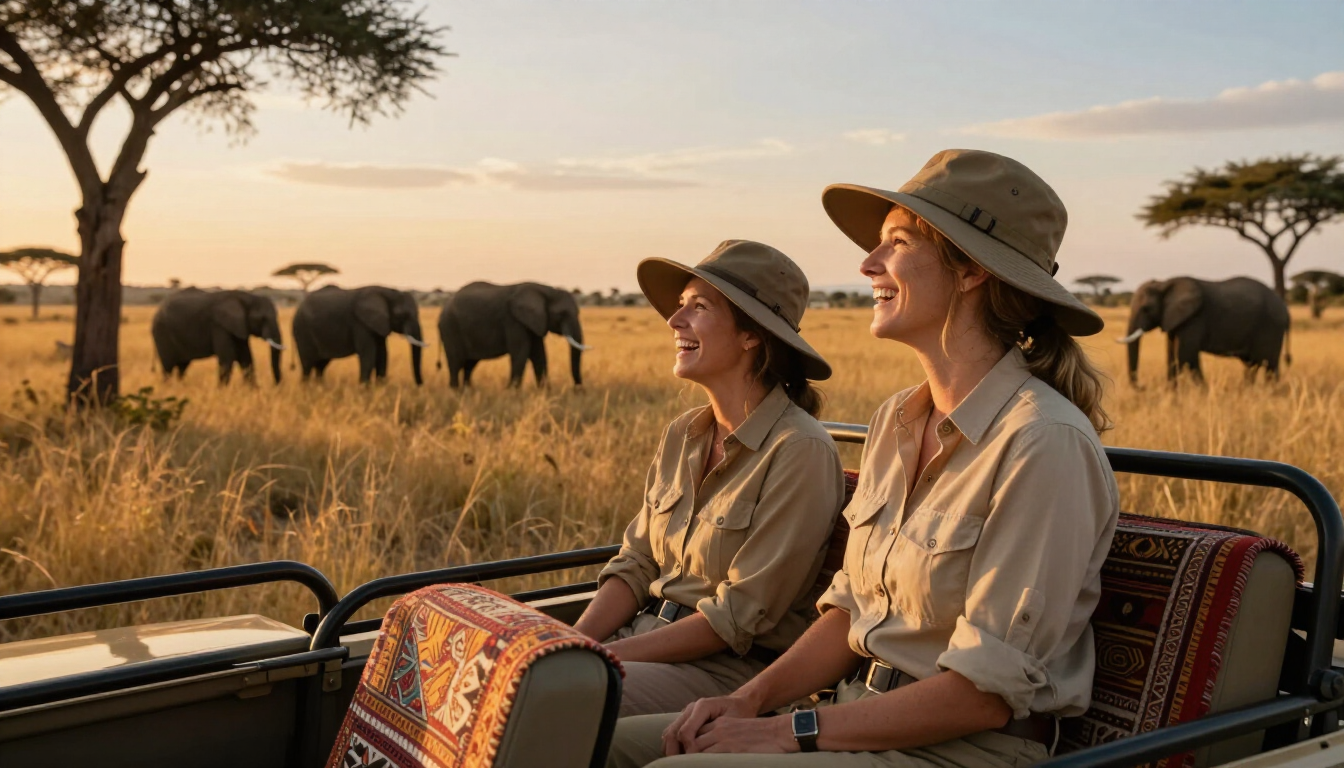
I have watched them forget to be self-conscious because elephants were crossing the road.
There is something profoundly moving about seeing a woman stop observing herself and start experiencing her life.
Grief Travels With Us
Not every safari begins in happiness.
Some women travel because they have lost someone. A husband. A parent. A child. A friend. A version of the future they thought they were going to have.
Grief does not remain politely at home because a flight has been booked. It comes with us. It sits beside us in the vehicle. It rises unexpectedly during a beautiful sunset or a particular piece of music.
And Africa does not cure it.
I would never make that promise.
The wilderness is not a neat remedy for heartbreak. A lion sighting cannot undo a death. A beautiful landscape does not erase what has happened, but the bush can hold grief without demanding that it explain itself.
There is room for sorrow in a landscape that has witnessed birth, death, hunger, survival and renewal for longer than we can comprehend.
Sometimes a woman cries at a sighting and cannot explain why.
She does not have to.
Sometimes the beauty of something touches the bruise of everything we have lost. For a moment, gratitude and grief exist in the same place.
Guiding women has taught me not to rush in and fill every silence.
Sometimes companionship is not finding the right words. It is sitting beside someone while the sun disappears, making sure she knows she does not have to pretend.
Laughter Is Its Own Kind of Survival
For all the emotion, women’s journeys are also very funny.
Especially once everyone is tired.
I have seen composed, capable women reduced to helpless laughter by collapsing camping chairs, badly timed animal noises and the humiliating mechanics of an outdoor toilet stop.
I have learnt that dignity has a remarkably short lifespan when you are trying to remove a sports bra in a small canvas tent.
I have watched strangers become friends over lost luggage, temperamental showers and the shared understanding that whatever just crawled across the bathroom floor now owns the bathroom.
The laughter matters.
It is not shallow or separate from the deeper parts of the journey. Often, it is what allows us to carry them.
Women use humour to build bridges. To ease embarrassment. To say, “I understand.” To give one another permission to be imperfect.
Some of the most beautiful moments I have witnessed have involved women laughing so hard that nobody could remember what started it.
Those moments rarely appear in the itinerary.
They are often the ones we remember most.
Female Friendship Can Happen Remarkably Quickly
There is a particular kind of intimacy that develops when women travel together.
At home, friendship often takes time. On safari, the usual barriers seem to disappear more quickly.
Perhaps it is the early mornings. Perhaps it is the absence of our normal roles. Perhaps it is impossible to maintain a carefully polished exterior after someone has seen you before coffee while wearing three jackets and one sock.
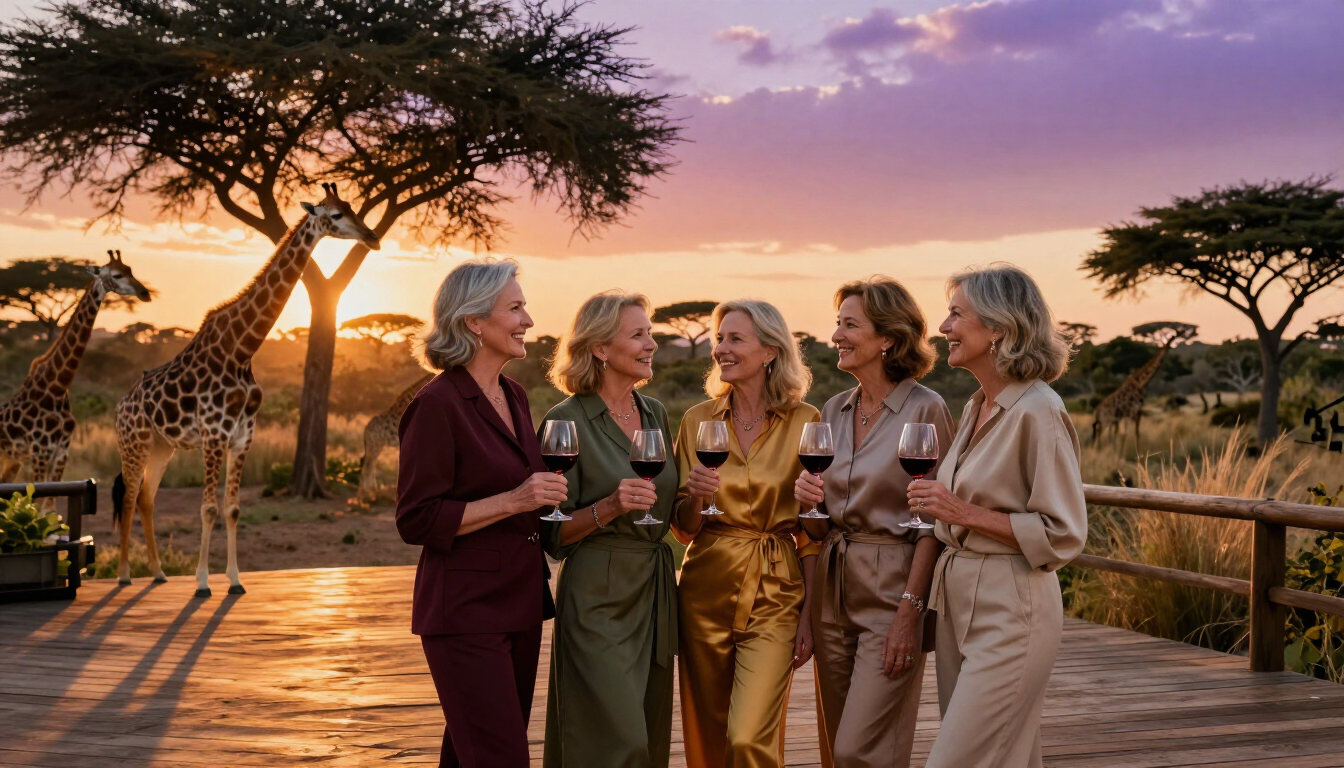
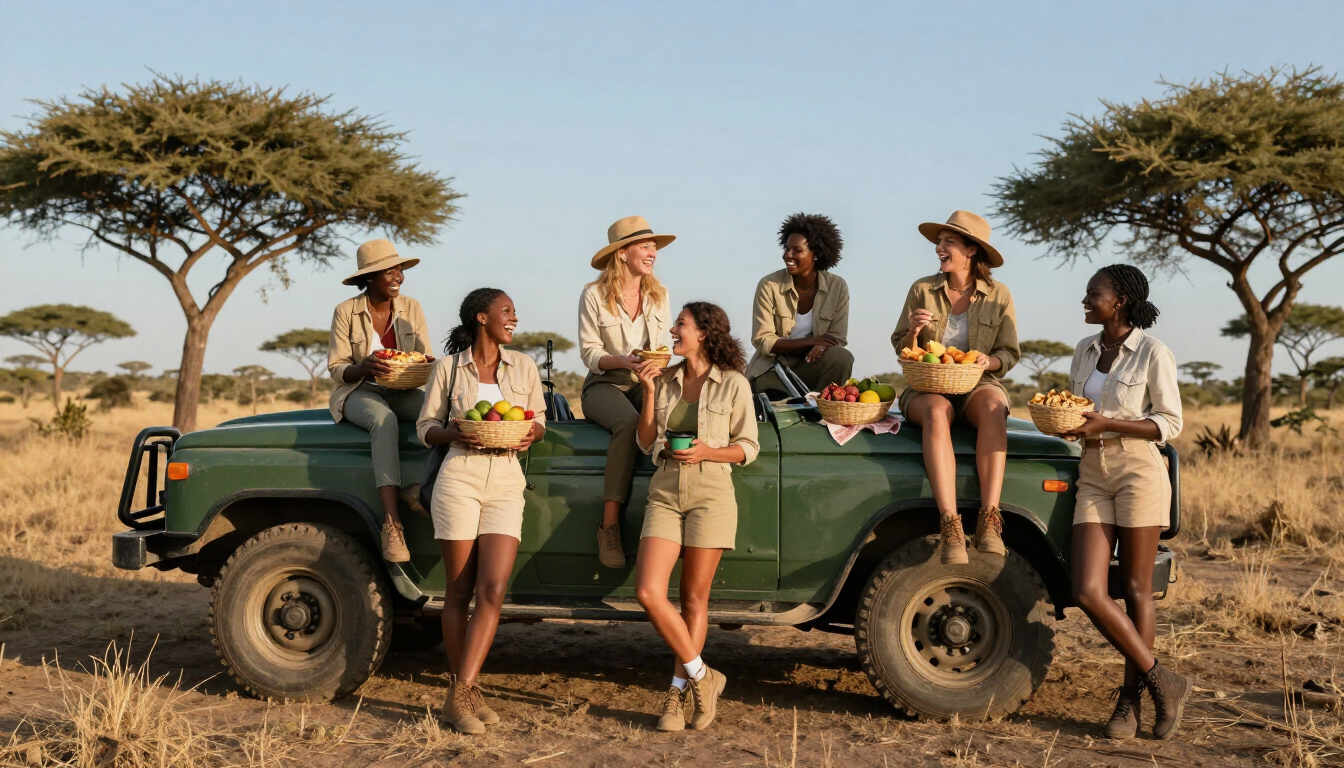
Women who were strangers days earlier begin saving seats for one another. They share sunscreen, camera advice, medication, stories and snacks.
Especially snacks.
They notice when someone is struggling. They celebrate one another’s sightings. They wait when somebody needs more time.
Not every group becomes inseparable, of course. Women are human beings, not a harmonious species created specifically for inspirational advertising. Personalities differ. Habits irritate. Someone will always be late, and someone else will have been sitting in the vehicle for 20 minutes quietly developing a twitch.
But again and again, I have watched women choose kindness. They make room for one another. And many leave Africa with friendships that continue long after the dust has been washed from their clothes.
I Have Learnt That Age Is a Very Poor Measure of Adventure
Some women worry they have left it too late. They believe adventure belongs to the young, the extremely fit or the people who own suspiciously expensive outdoor trousers.
It does not.
I have met women who began travelling later in life and embraced it with a joy that was almost contagious. Women who had spent decades raising families, building careers and surviving things nobody else knew about.
They did not arrive too late.
They arrived when they were ready.
Adventure changes as we do. It does not have to mean climbing a mountain or proving physical endurance. Sometimes adventure is simply stepping beyond the edges of a life that has become too small.
It is waking before dawn because wild dogs have been seen nearby.
It is eating something unfamiliar.
It is saying yes before fear has time to organise a committee.
The Journey Changes Me Too
A guide is often imagined as the person with the answers. We know the route, the timings and what to do when plans unravel—which they inevitably do because this is Africa and certainty is an ambitious concept; but guiding is not a one-way exchange.
The women I have travelled with have changed me.
They have taught me to listen more carefully and judge less quickly. They have taught me that strength wears many faces. Sometimes it is fierce and outspoken. Sometimes it is gentle. Sometimes it is simply getting out of bed after life has given you every reason not to.
They have taught me that independence and vulnerability can exist together. That asking for support is not weakness. That women can hold grief and joy in the same body.
They have reminded me that I do not always have to be the capable one.
This has not been an easy lesson.
As a guide, organiser and woman who is quite fond of having a plan, I am accustomed to keeping things together. I want people to feel safe. I want the journey to run smoothly. I want to anticipate problems before they develop legs and wander into the itinerary.
But Africa is very good at humbling anyone who believes she is entirely in control.
Flights change. Weather turns. Animals decline to follow the programme. Suitcases vanish into the mysterious digestive system of international aviation.
I have learnt to adapt. To laugh. To admit when I do not know.
And I have learnt that being trusted with another woman’s journey is both a privilege and a responsibility I never want to take lightly.
What I Know Now
After all these years, I know that women come to Africa for many reasons. Some come for wildlife. Some come for photography. Some come because Africa has been calling them for years and they are finally ready to answer. Others come because something in their lives has ended. Or because something new is trying to begin.
I cannot always know what a journey will mean to the woman who books it. I cannot promise that Africa will transform her. Transformation is personal, and life rarely ties itself into the tidy bow preferred by travel brochures. But I have seen women return home standing differently. Not dramatically. Not as entirely new people. Just more themselves.
I have watched a woman look across an African landscape and realise that her life is not over. I have watched another discover that being alone is not the same as being lonely. I have watched women remember their curiosity, their humour, their courage and the parts of themselves that had been buried beneath responsibility.
And I have come to believe that this is one of the greatest gifts of travel.
Not escape.
Return.
A return to the self.
The wilderness does not ask a woman to become somebody else. It simply gives her enough space to hear her own voice again. For all the animals I have seen and all the landscapes I have been fortunate enough to cross, it is this that stays with me.
The women who arrived unsure and left braver.
The women who laughed around the fire.
The women who cried without apology.
The women who took the photograph, boarded the plane, faced the fear and finally chose themselves.
Guiding women in Africa has taught me that we are rarely as fragile as the world has encouraged us to believe.
Sometimes, we simply need to step beyond what is familiar to remember how strong we have always been.
Latest Posts